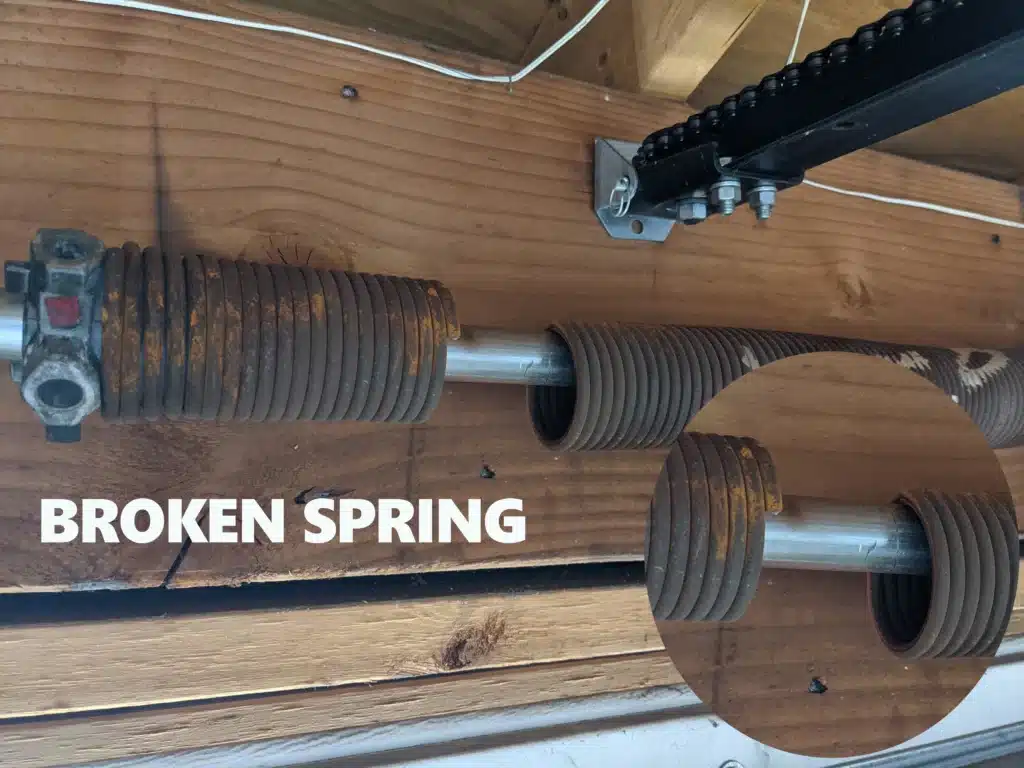
The springs above your garage door are more than just coils of steel; they act as a counterbalance that lets you lift a 150‑ to 400‑pound door with one hand. Each time the door opens or closes, the springs compress or twist and then release that energy. After thousands of cycles, the metal fatigues and eventually snaps, leaving the door heavy and dangerous.
Knowing what a replacement costs and why it costs that much helps homeowners plan repairs and avoid surprises. To understand the full mechanics, maintenance, and safety of your system, visit our Ultimate Guide to Garage Door Springs, which covers everything from basic identification to advanced repair.
Inflation in steel, larger doors, and new safety standards all contribute to the price in 2025. This guide summarises the current price range, the factors that affect it, what professionals do during a spring replacement, and simple ways to save money while keeping your door safe.
Average price range in 2025
Recent cost guides agree that the typical professional replacement of a broken garage door spring costs between $150 and $350 for a single spring. That price includes the spring (usually $50–$150) and roughly an hour of labour. Because most double‑wide doors use two springs, replacing both brings the total to about $250 to $550. National averages hover near $250, while high‑cost urban areas sometimes exceed $400. The cost also depends on the type of spring:
| Spring type | Parts only (per spring) | Installed cost (per spring or pair) |
|---|---|---|
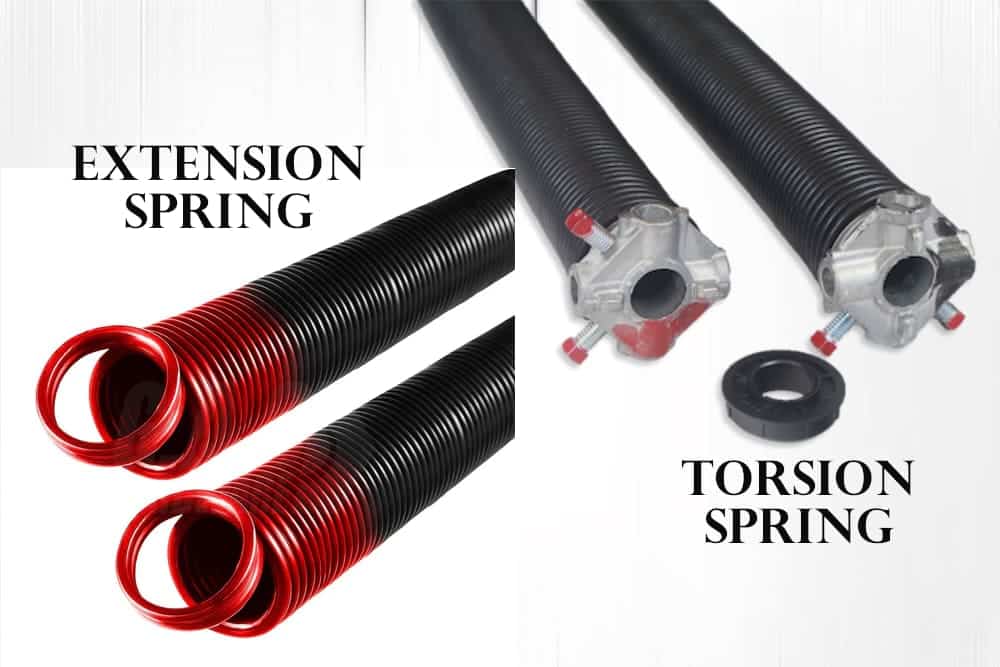
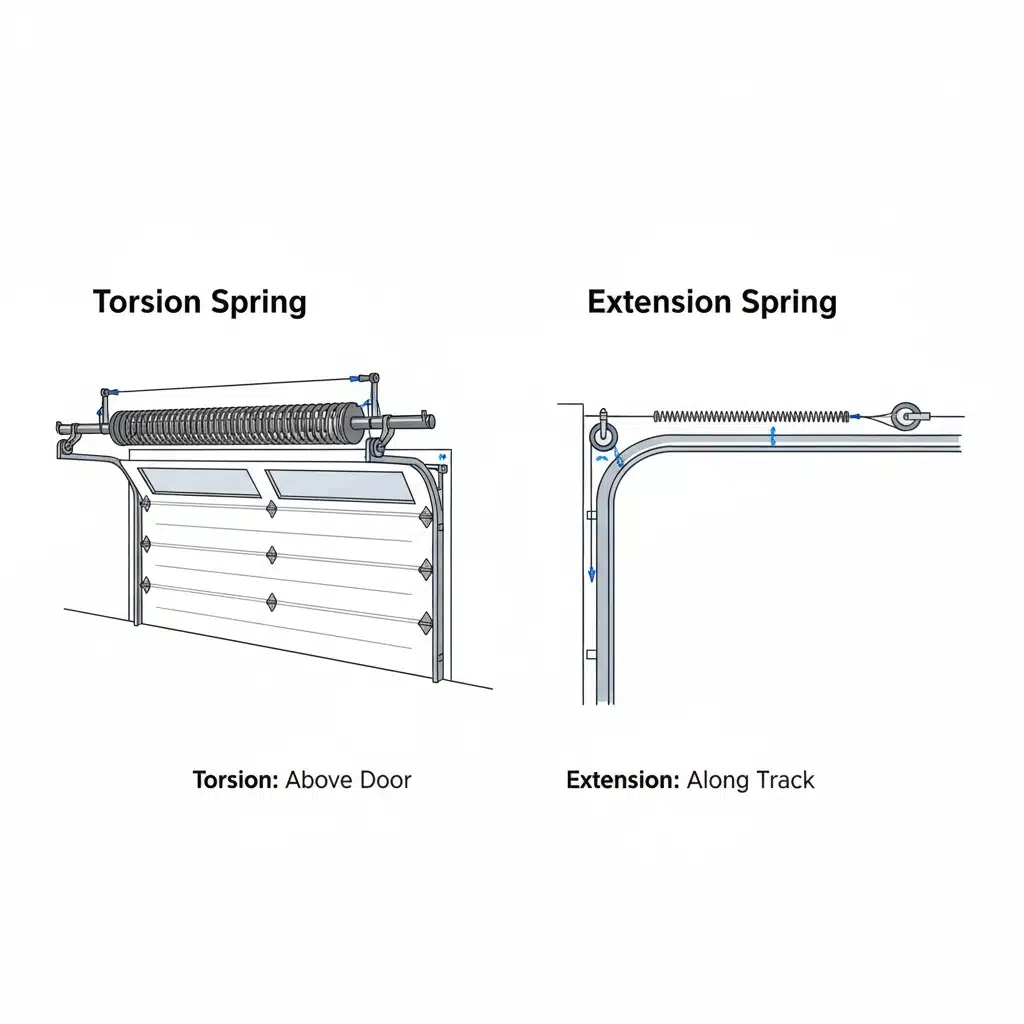
| Extension (runs along the track) | $12–$50 | $120–$200 for one or $150–$250 for a pair |
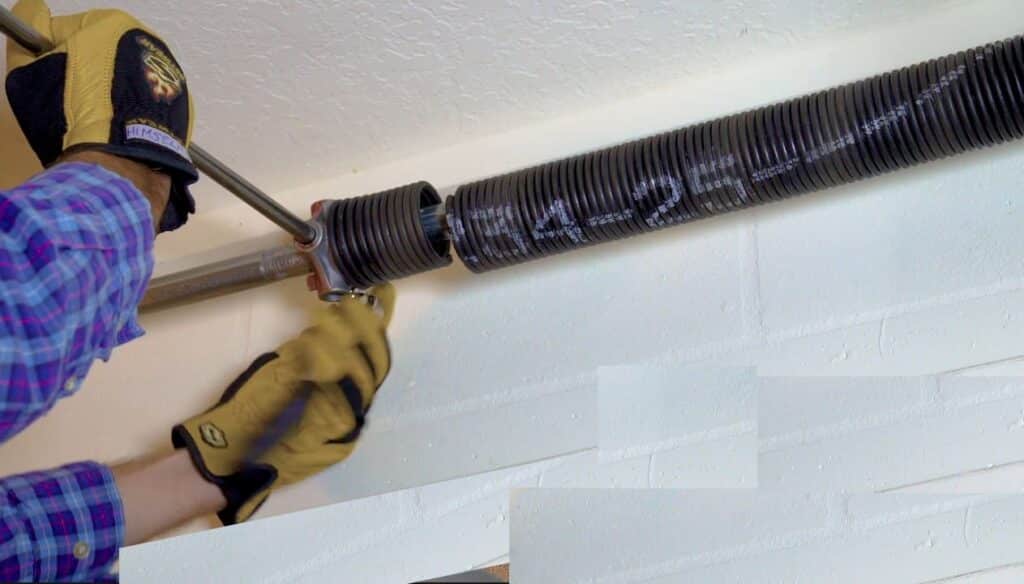
| Torsion (mounted on a bar above the door) | $75–$150 | $150–$350 for one or $200–$400 for a pair |
| High‑cycle torsion | +$75–$150 over a standard torsion spring | Premium pairs rated for 25 000+ cycles cost $450–$650 |
Single‑car doors sometimes have just one spring, but most double‑wide and heavy doors use two. Professionals recommend replacing both even if only one breaks because springs are matched pairs. Upstate Doors notes that replacing both springs costs $200–$350, whereas replacing one runs $150–$250. Installing both at once prevents uneven strain and can increase the system’s life by up to 40 %. In addition, heavier doors, such as insulated or carriage‑style models, require stronger springs and may push the installed price toward the upper end of these ranges.
Key factors influencing cost
Several variables explain why one homeowner pays $200 while another pays $500:
- Spring type and materials: Torsion springs are safer and last longer than extension springs, but they cost more. Standard torsion springs are rated for 10 000 cycles (roughly 7–10 years), while extension springs last 5 000–15 000 cycles. High‑cycle torsion springs can be rated for 20 000–50 000 cycles and add $75–$150 per spring. Upgrading can reduce the long‑term cost per cycle, making it a worthwhile investment.
- Number of springs and door size: Single‑car doors often have one spring; double‑wide or heavy doors need two or more. Upstate Doors lists costs of $150–$350 for one door, $275–$700 for two and up to $1 400 for four doors. Heavier doors require thicker coils, which increases the parts cost.
- Labour rates and location: Technicians typically charge $75–$150 per hour. Urban labour may be 15–20 % higher and rural travel fees can add $50–$150.
- Additional repairs: A professional inspects cables, rollers and tracks. Common add‑ons include cable replacement ($98–$120), track repair ($147–$200) and opener replacement ($371–$450). Severe damage to panels or tracks can add $860–$1200.
- Door type and design: The style and weight of the door dictate the strength of the spring. Roll‑up or sectional doors typically fall into the mid‑range for torsion springs ($150–$350), while single‑panel tilt‑up doors are simpler and often cost $120–$200 to fit with extension springs. Heavy or insulated carriage‑style doors use larger torsion springs and can cost $200–$450. Understanding your door type helps you anticipate where you will land within the range.
The number of doors you own also affects the total cost. Upstate Doors provides the following ranges for multiple doors. While labour may be slightly discounted for a second or third door, each additional set of springs adds significantly to the parts bill:
| Number of garage doors | Typical cost range |
|---|---|
| 1 door | $150–$350 |
| 2 doors | $275–$700 |
| 3 doors | $450–$1050 |
| 4 doors | $600–$1400 |
- Door type and design: The style and weight of the door dictate the strength of the spring. Roll‑up or sectional doors typically fall into the mid‑range for torsion springs ($150–$350), while single‑panel tilt‑up doors are simpler and often cost $120–$200 to fit with extension springs. Heavy or insulated carriage‑style doors use larger torsion springs and can cost $200–$450. Understanding your door type helps you anticipate where you will land within the range.
What a professional quote includes
Hiring a specialist does more than supply a part; it ensures the door is safe and balanced. A technician will inspect the entire door system to spot worn cables, bent tracks or failing rollers and make recommendations. After installation they adjust the spring tension so the door stays halfway open without drifting, reducing strain on the opener motor. Professionals use hardened‑steel winding bars and locking pliers to wind torsion springs safely and include this tooling in the service fee. Many companies provide 5‑ to 10‑year warranties on springs and at least a year of labour coverage.
Most spring replacements take 30–90 minutes, depending on the door size and whether other parts need adjustment. The quote usually covers removal and disposal of the old spring, a test of the opener’s safety reverse feature and lubrication of hinges and rollers. Some installers include minor roller or hinge adjustments at no extra charge. When comparing estimates, look at the scope of work rather than just the bottom line to ensure you receive these value‑added services.
Hidden costs of DIY
Swapping a spring yourself may seem cheaper, but there are risks and extra expenses:
- Tools: Proper torsion winding bars and locking pliers add $50–$100 to a DIY budget. Using improvised tools like screwdrivers risks the bar slipping and the spring unwinding violently.
- Sizing errors: Springs are selected based on door weight, height and drum size. Ordering the wrong size leads to an unbalanced door that strains the opener. An undersized spring can burn out the motor, costing $200–$550 for a new opener. Converting from extension to torsion systems requires special brackets and typically costs $400–$800.
- Emergency fees: If the repair fails on a weekend, you may pay an emergency surcharge of $50–$150. Garage Door Heroes cautions that after‑hours rates can add 15–25 % to the bill.
- Safety risks: Springs store hundreds of pounds of energy. Mishandling them can cause injuries and property damage. If the door is stuck open or crashes down, homeowners assume liability. Hiring a bonded professional transfers that risk.
Savings strategies
Even though you cannot avoid replacing a broken spring, you can control the long‑term cost:
- Replace both springs together. It costs only slightly more to replace two springs than one, avoids a second service fee and keeps the door balanced.
- Upgrade to high‑cycle springs. Spending an extra $75–$150 per spring yields longer life; a pair of 30 000‑cycle springs costing $400 equates to about 1.33 cents per cycle, roughly half the cost of standard springs.
- Bundle repairs. If cables or rollers are worn, replacing them during the same visit saves on separate service call fees. Cable replacement ($98–$120) and track repair ($147–$200) are common add‑ons.
- Schedule during regular hours. Avoid after‑hours surcharges by booking service during the week. Routine annual maintenance, which costs $40–$80, can extend spring life and prevent surprise failures.
Conclusion
Garage door springs are small components that perform a big job. When one breaks, the cost of replacement in 2025 depends on the spring type, number of springs, door size, labour rates and any additional repairs. You can expect to pay around $150 to $350 for a single professional replacement and $250 to $550 for a pair. Torsion springs cost more than extension springs but offer greater safety and longevity, and high‑cycle versions provide the best value over time. While a do‑it‑yourself approach may seem tempting, the expense of tools, risk of incorrect sizing, potential emergency fees and safety hazards often outweigh the savings.
By hiring a qualified technician, replacing both springs at once, and investing in durable hardware, you ensure your door operates smoothly for years.
Need a professional repair now? Find a trusted Garage Door Repair Expert Near Me to get your door back on track safely.