garagedoor

vertical-vs-horizontal-garage-door-track-stress

Garage Door Tracks: Vertical vs. Horizontal Rail Stresses Explained

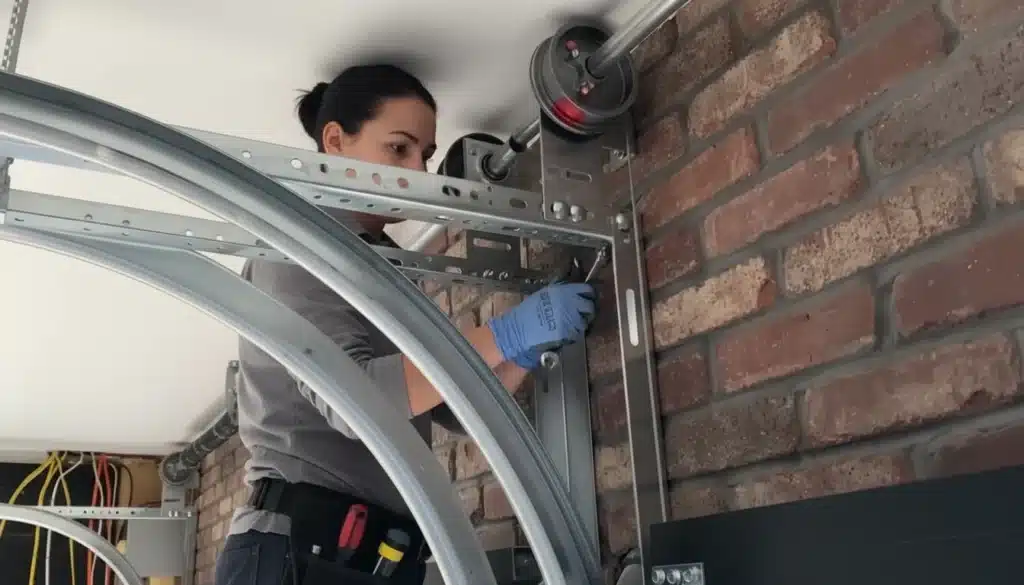
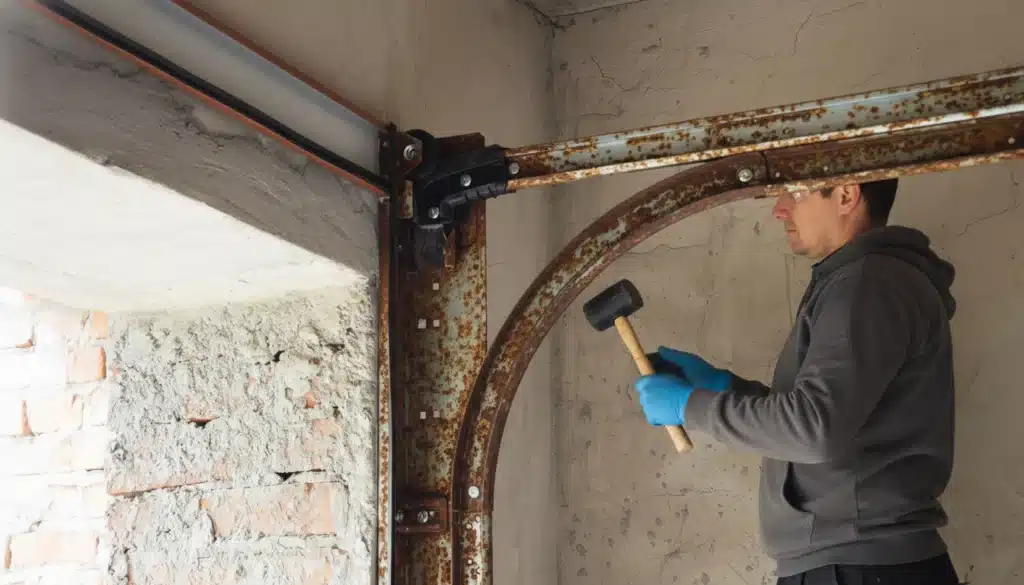
Modern overhead garage doors look simple when they glide up and disappear above your vehicle. However, the track system that guides and supports the door is far from simple. A standard sectional door typically weighs 150–400 lbs and is supported by a track system composed of vertical rails, a curved radius, and horizontal rails. These rails

Garage Door Tracks: Vertical vs. Horizontal Rail Stresses Explained Read More »

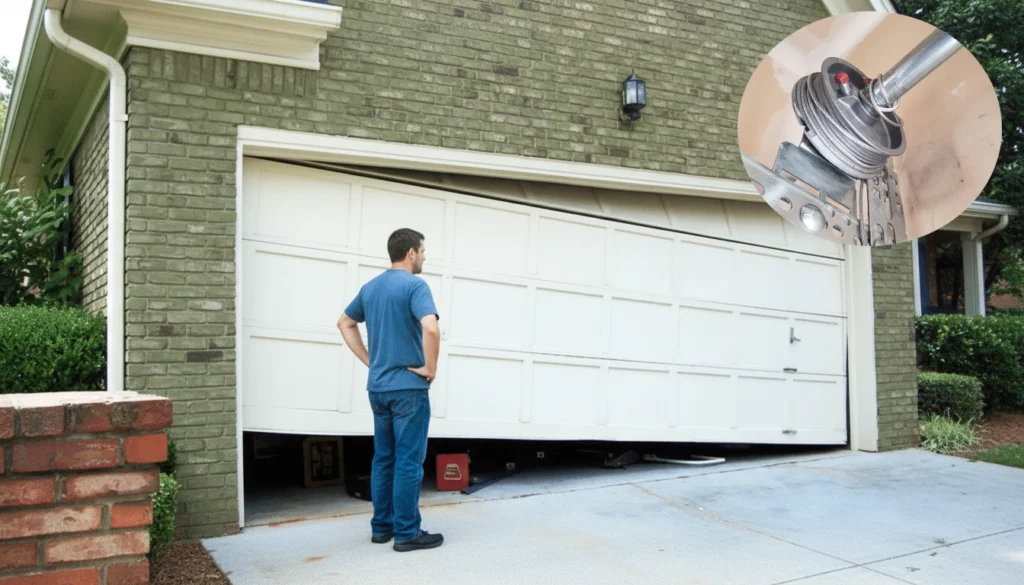
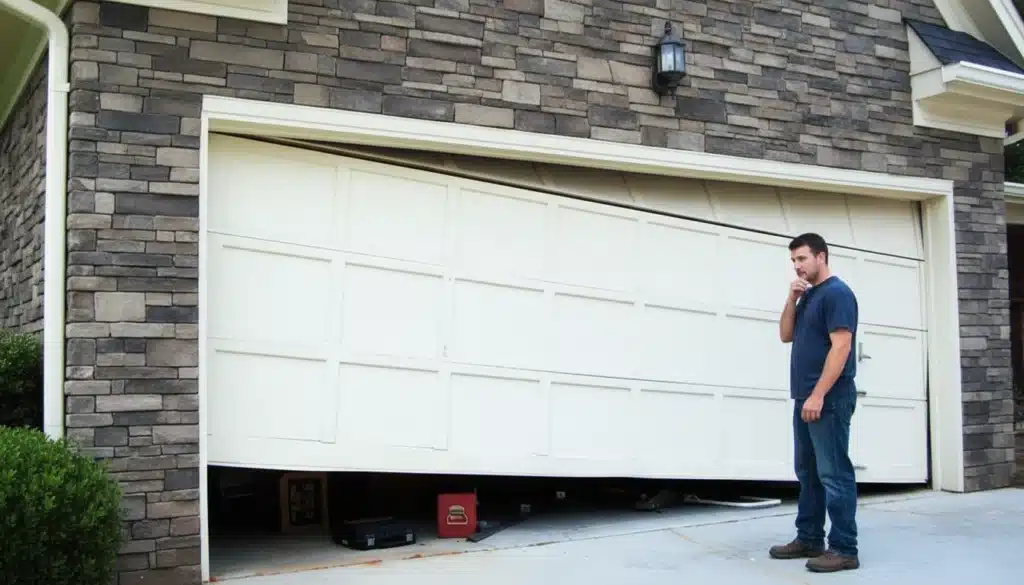
Garage door stopped 6 inches from the ground due to safety reversal

Garage Door Track Damage: Why the Door Won’t Open Fully

A garage door that stops or reverses after rising only a few inches often triggers anxiety. Modern garage door openers include multiple safety systems designed to prevent injury and protect the opener. When something introduces extra resistance—such as a bent horizontal or vertical track, debris in the rails, misaligned sensors, or a broken spring—the opener interprets

Garage Door Track Damage: Why the Door Won’t Open Fully Read More »

Comparison of worn vs new garage door rollers showing flat spots

Identifying a Garage Door Roller That Has Come Off Track

A garage door that suddenly jumps its track is more than an inconvenience—it can damage the door, strain the opener and even injure someone. While bent tracks or faulty openers often get the blame, most derailments start with a much simpler culprit: worn rollers. When these small wheels wear out, lose lubrication, or become damaged,

Identifying a Garage Door Roller That Has Come Off Track Read More »

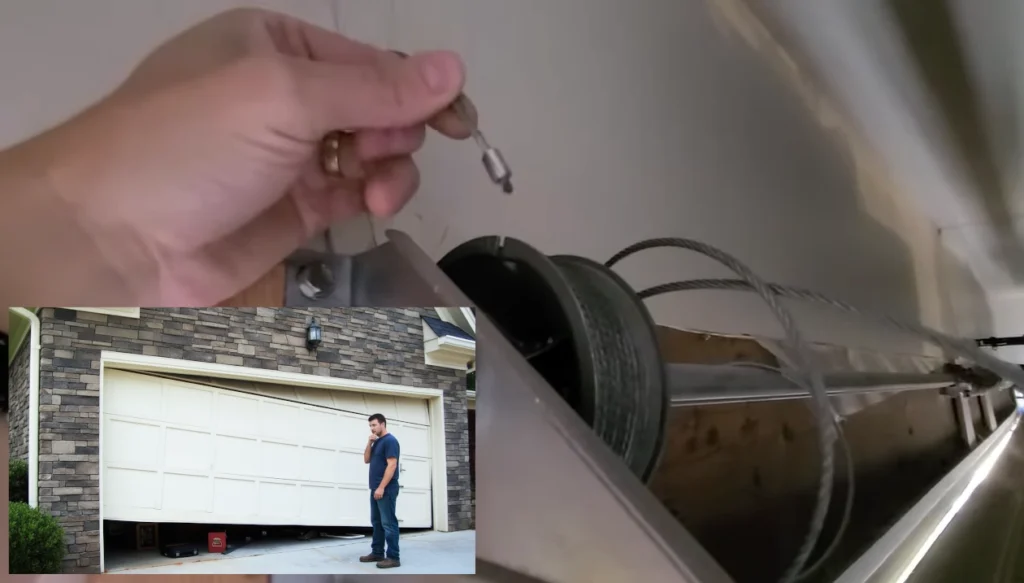
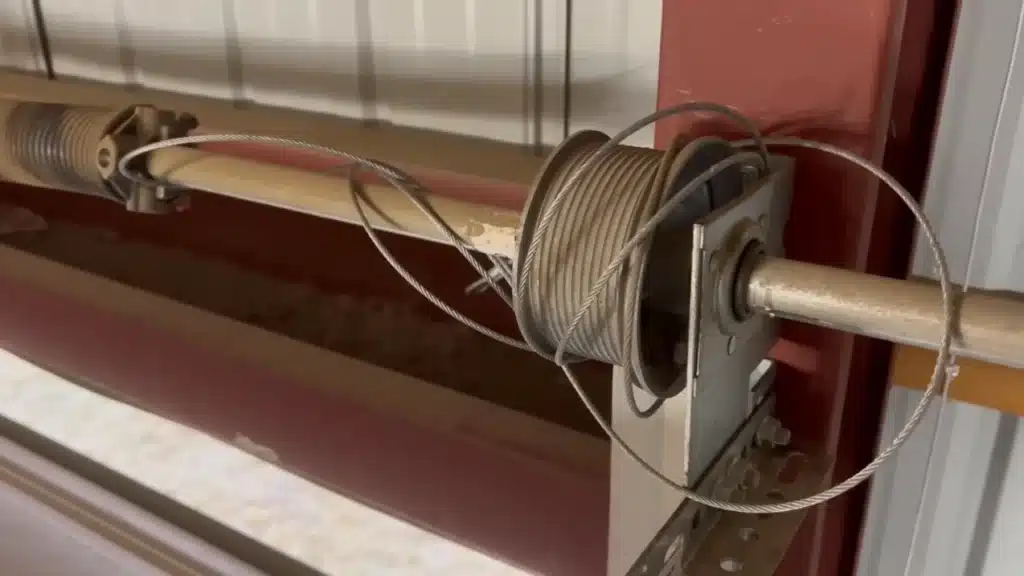
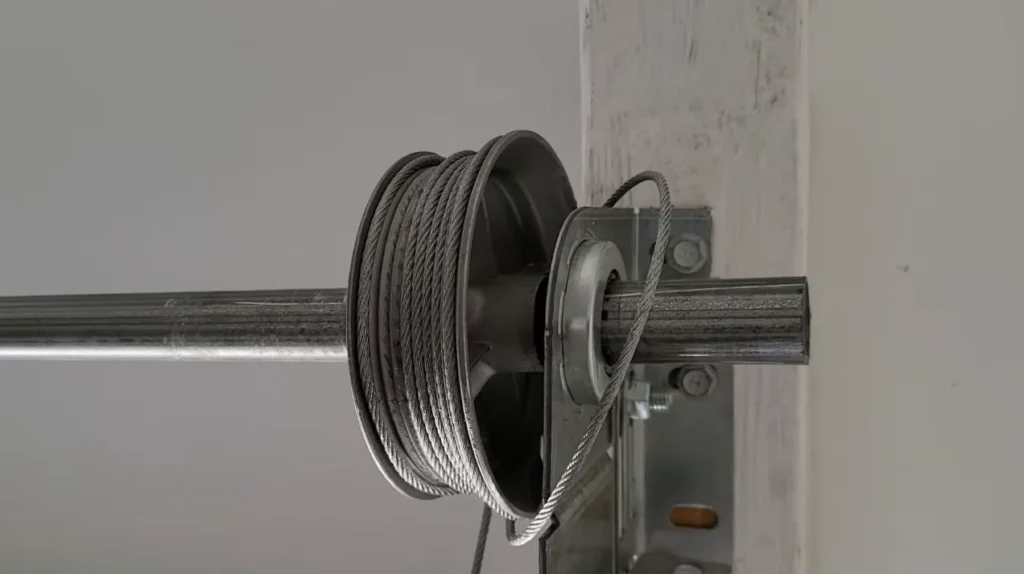
Close-up of a person inspecting garage door torsion springs and safety cables for wear and tear.

Monthly Garage Door Maintenance Guide: Checking Springs and Cables

Your garage door is likely the largest moving object in your home. To keep it operating safely and extend its lifespan, a 15-minute monthly inspection is essential. By catching minor wear on springs and cables early, you prevent sudden breakdowns and expensive emergency repairs. 1. Visual Inspection: The First Line of Defense Before touching anything,

Monthly Garage Door Maintenance Guide: Checking Springs and Cables Read More »

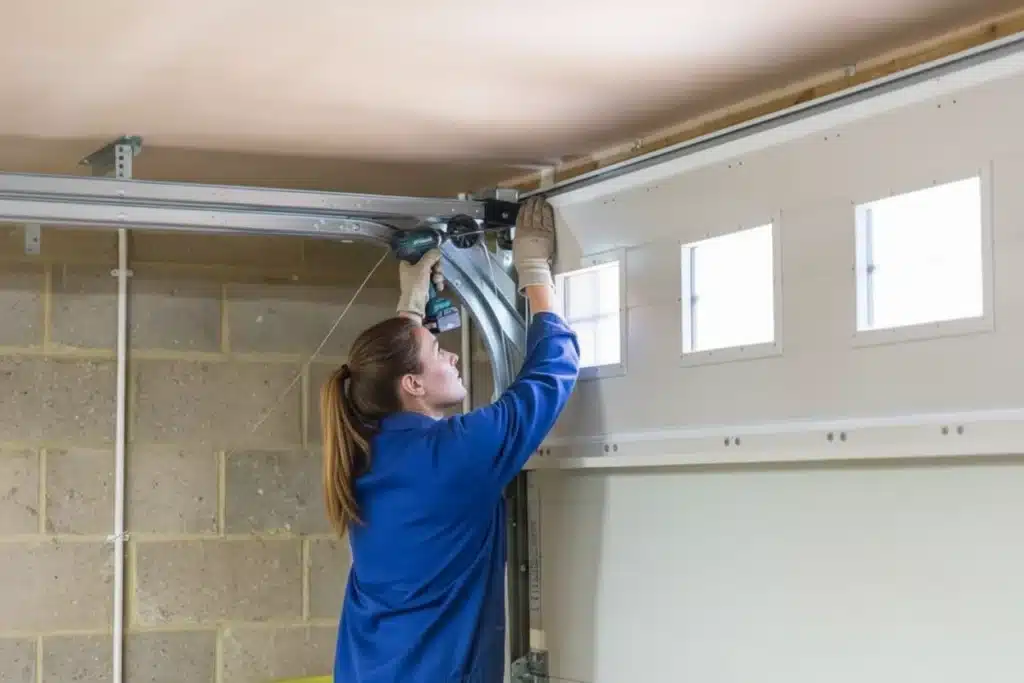
Technician installing two new garage door torsion springs for balanced operation.

Why You Should Always Replace Both Springs at the Same Time

Garage door springs carry the heavy weight of your door, enabling it to open and close smoothly. Most residential doors use two torsion springs mounted on a shaft. These springs twist to store energy and counterbalance the door. When one spring snaps, many homeowners wonder if they can replace just the broken spring. However, professionals

Why You Should Always Replace Both Springs at the Same Time Read More »