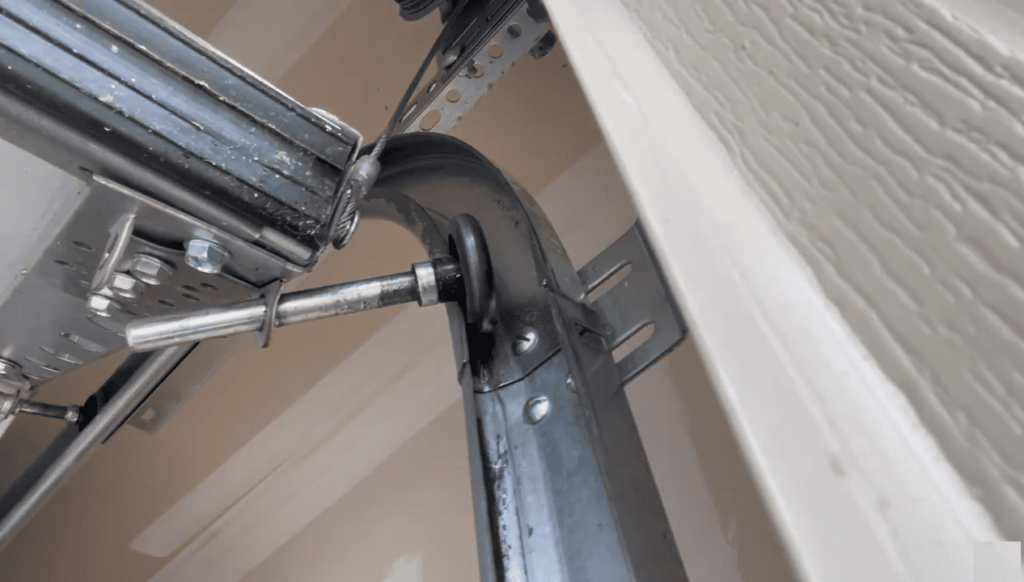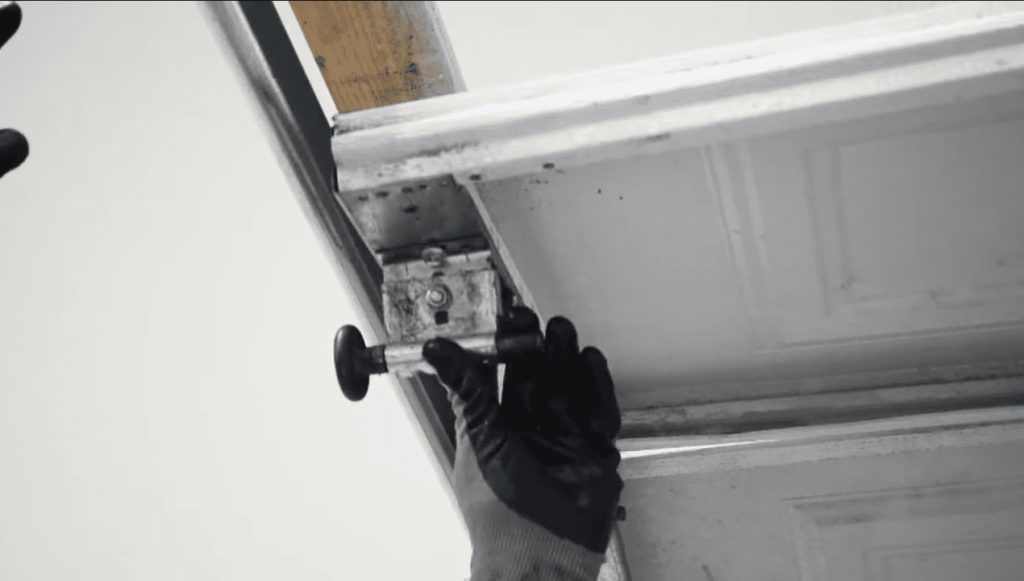

A garage door that suddenly jumps its track is more than an inconvenience—it can damage the door, strain the opener and even injure someone. While bent tracks or faulty openers often get the blame, most derailments start with a much simpler culprit: worn rollers. When these small wheels wear out, lose lubrication, or become damaged, they create drag that can force the door out of its channel.
To help homeowners navigate these risks, we have created the Garage Door Off Track? Repair, Costs, and Replacement Guide, which explains why old rollers are the leading cause of track failures and offers practical tips for inspecting them.
Why Worn Rollers Make Garage Doors Jump Off Track
Modern garage doors rely on a series of rollers to transfer the door’s weight and movement to the track. These components are designed to spin smoothly and stay centred. When a roller stops spinning freely or its surface degrades, the track often cannot compensate.
The Drag Effect
Rollers require lubrication to glide along the rails. Without enough lubricant, they start scraping and dragging against the metal track, creating friction that forces them sideways. Garage-door service professionals note that a dry roller produces noise and vibrations as it scrapes along the track, and the resulting friction can slowly push the wheel out of position. Homeowners often don’t notice this drag until one roller finally slips out, leaving the door hanging crooked or jammed. Keeping rollers and tracks lightly oiled reduces friction, allows smooth travel and prevents sudden derailments.
Seized Bearings
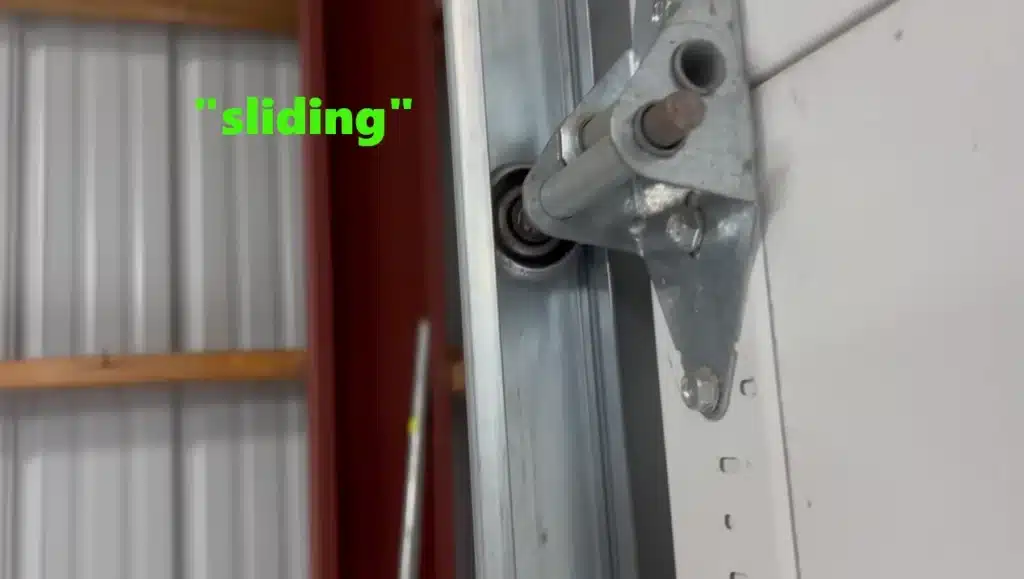
Inside most rollers are tiny bearings that allow the wheel to rotate around its stem. Dirt, moisture and lack of lubrication can cause these bearings to seize. When a roller is seized, it stops spinning and slides along the track instead, creating constant friction. Maintenance guides emphasize that rollers which are worn, cracked or seized (not spinning freely) cause the door to operate erratically, bind in the tracks and make excessive noise. As friction builds, the roller may climb up the track’s inner edge, eventually popping out of its channel. This is why a garage door can jump off the rails even during normal operation—because a seized roller is essentially acting as a brake rather than a wheel.
Physical Deterioration
Rollers endure thousands of cycles each year and gradually lose their shape. A maintenance checklist from Elite Industrial Doors notes that over time rollers can become rough or develop flat spots. Nylon rollers may crack, while steel rollers can deform or their bearings may loosen. Damaged rollers drag or lean inside the track, producing extra lateral force. As they deteriorate, they can no longer stay seated securely within the overhead rails, increasing the chance of derailing the door. Inspecting rollers for cracks, flat spots or excessive wear is an important part of routine maintenance.
Visual Warnings: Spotting a Derailment Before It Happens
The best time to fix a roller is before it throws your door off track. By observing and listening to your garage door as it operates, you can catch subtle signs of trouble.
The Wobble Test
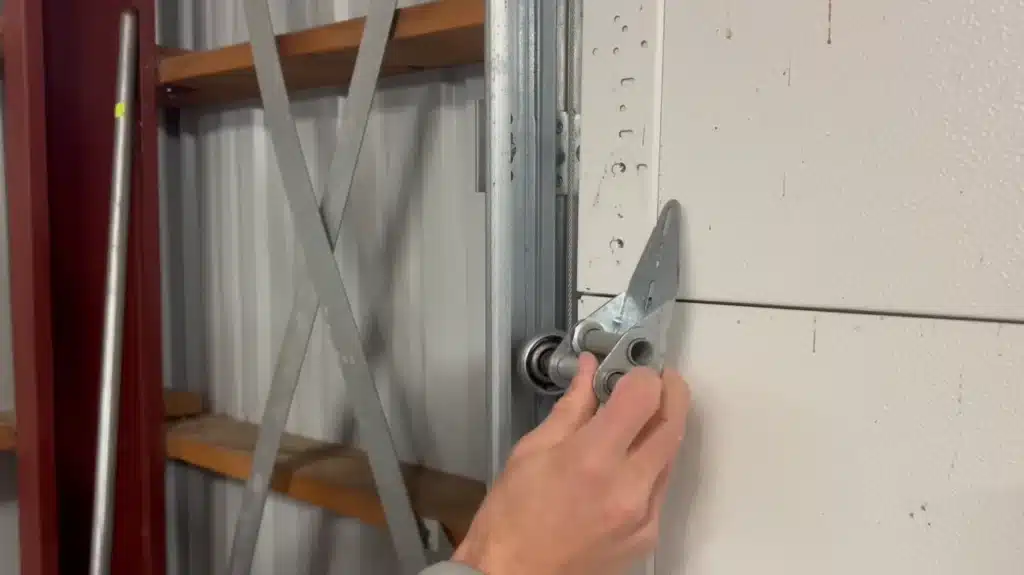
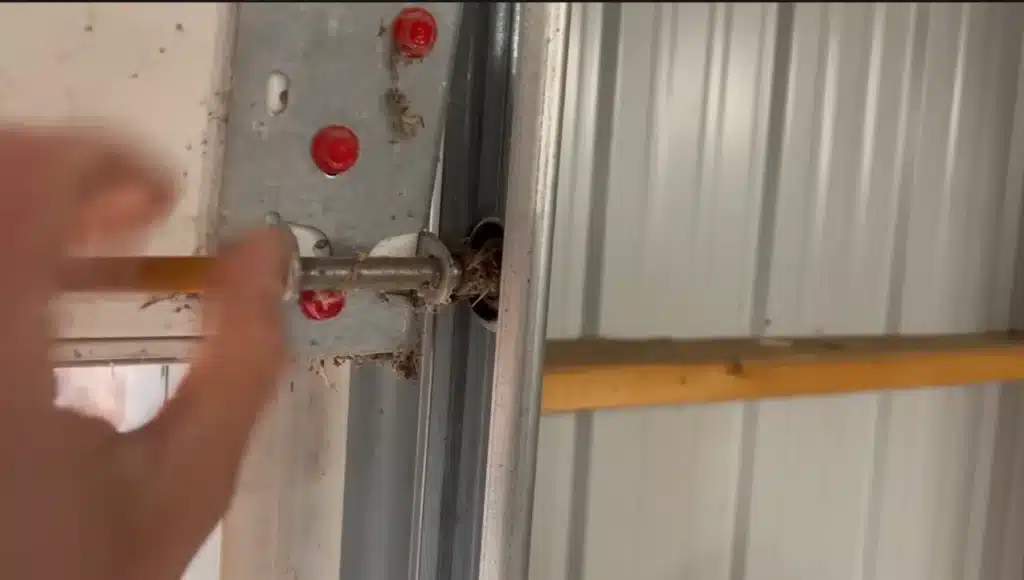
Rollers should sit firmly in their brackets and rotate without wobbling. During inspection, verify that each roller is securely fastened to its shaft and does not move side to side. A garage-door FAQ advises that if a roller wobbles or has play in it, it is time to replace it. Excessive lateral movement allows the wheel to twist under load and climb out of the track during operation. Conducting a “wobble test” by gently moving each roller can reveal early loosening of hardware or worn bearings.
Loose brackets and bolts are another source of wobble. When the bolts and brackets holding the roller loosen, the roller can pull away from the track. A repair guide explains that loose hardware causes the roller to wobble and slowly detach; checking and tightening brackets prevents the entire door from becoming unstable. If you notice wobbling, tighten the hardware and consider replacing the affected roller.
Flattened Edges
Flat spots indicate that the roller is sliding instead of spinning. During a visual inspection, look for cracks, chips or areas where the roller’s edge has flattened. Worn, cracked or seized rollers can cause the door to bind in the tracks and make excessive noise. Another guide recommends inspecting rollers for cracks, flat spots or excessive wear. Flat spots often form when lubrication is lacking or when bearings seize, creating drag at specific points in the door’s travel. If you see flat areas on nylon or steel wheels, plan to replace the roller before it forces the door off track.
High-Pitch Squealing
A high-pitched squeak or squeal is more than an annoyance; it’s often a warning sign. Home repair specialists note that worn or dry rollers may produce a high‑pitched squeaking or squealing sound as the door opens or closes due to friction between the rollers and the tracks. In other words, metal‑on‑metal noise often signals that a roller is dry, seized or has developed a flat spot. The noise may start faint and grow louder or come and go at certain points in the door’s travel. Grinding or scraping sounds can also indicate that rollers are damaged or have flat spots. Applying a silicone‑based lubricant may quiet the sound temporarily, but if the squeal persists, the roller likely needs replacement.
Putting It All Together: Preventing an Off‑Track Door
Understanding how and why rollers fail can help you prevent a derailment. Here are some practical steps homeowners can take:
- Listen and observe regularly. Open and close your door while paying attention to its movement and sounds. Jerky motion, hesitation or unusual noises like scraping, grinding or popping may indicate worn rollers, lubrication needs or misaligned tracks. Regular observation allows minor problems to be addressed before they become major.
- Lubricate moving parts. Use a high‑quality silicone or lithium‑based lubricant on rollers, hinges and springs to reduce friction. Do not lubricate the track itself, as grease can attract dirt. Proper lubrication reduces noise and prolongs roller life.
- Inspect and tighten hardware. Periodically check bolts and brackets that secure the tracks and rollers. Tighten any loose hardware to prevent rollers from wobbling and pulling away from the track.
- Check track alignment. A straight, even track is essential. Misaligned tracks can cause rollers to scrape or climb up the edge and pop out. Use a level to verify alignment; if the track leans or pulls away from the wall, adjust it carefully or call a professional.
- Clear debris. Small objects like rocks, leaves or toys lodged in the track can force a roller to rise over the edge and come off. Keep tracks clean and clear of debris.
- Replace worn rollers. If a roller shows cracks, flat spots, wobble or squealing, replace it. Even minor wear can lead to instability. Quality rollers are rated for thousands of cycles, but they don’t last forever.
- Seek professional help when needed. Springs, cables and high‑tension components can be dangerous to service without training. If you are unsure about a roller’s condition or if the door feels heavy or unbalanced, call a qualified garage‑door technician.
Conclusion
A garage door depends on a handful of small rollers to carry a heavy load smoothly along its track. When these rollers wear, seize or lose lubrication, they create drag that can push the door off its rails. By performing simple checks—listening for squeaks, feeling for wobble and looking for flat spots—you can catch problems early. Regular lubrication, tightening of hardware and timely replacement of worn rollers ensure smooth and safe operation. If your garage door begins to behave erratically, don’t ignore it; what starts as a squeak or wobble can end in a costly derailment. Instead, take a few minutes to inspect and maintain your rollers, or call a professional for help. Prevention is far easier than dealing with a door that has jumped its track.