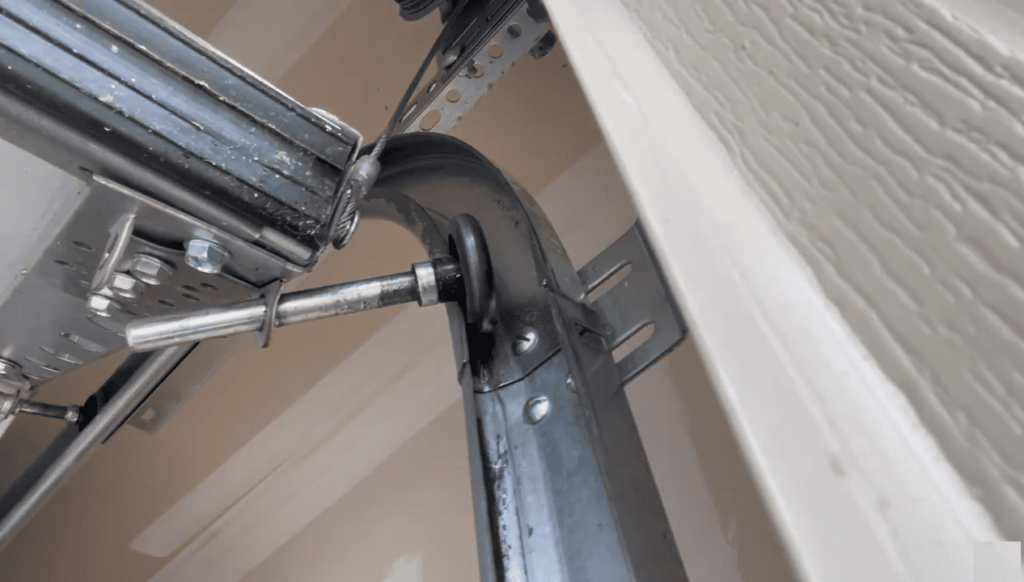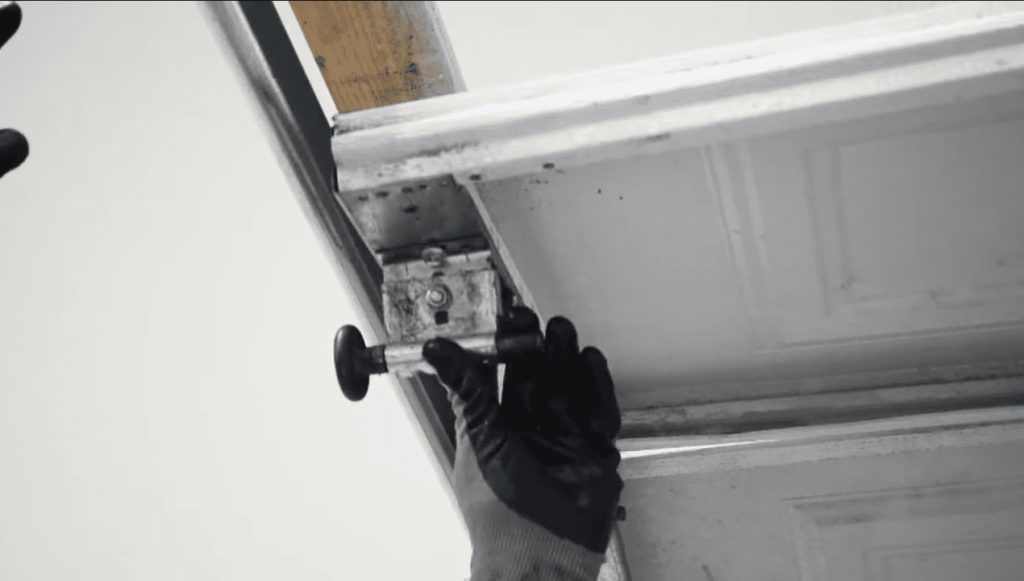

A garage door that suddenly jumps off its track is more than an inconvenience. These doors typically weigh at least 150 lb and often over 150 lb and are held in position by springs, cables and Garage Door Tracks . An off‑track door is unstable and can collapse without warning, potentially injuring people or damaging vehicles. Before attempting any repair, unplug the opener and avoid using the automatic mechanism so that you don’t burn out the motor or bend the rails. The instructions below show how to diagnose why the rollers came out, what tools are needed, how to put them back, and when to call a professional.
Immediate Danger Warning – Why Off‑Track Doors Are Hazardous
- Serious weight: A two‑car garage door can easily weigh more than 150 pounds. If the door collapses while you work on it, this weight is enough to cause severe injury.
- Unstable without the tracks: Off‑track doors may hang at an angle, move jerkily or refuse to open, and even small movements can make them collapse.
- Never use the opener: Forcing a door that’s off track with the opener can bend the rails, snap cables or burn out the motor. Always pull the emergency release cord and operate the door manually.
- Children and pets at risk: Because they may not understand the danger, keep them clear of the area until the door is secured.
🔍 Need help identifying the problem? Read our guide on Identifying a Garage Door Roller or Wheel Off Track to spot signs of trouble before the door collapses.
Why Garage Doors Come Off Track
- Impact Damage: A bump from a car or heavy object can bend the tracks; even minor collisions may shift or warp them or damage panels.
- Loose or Bent Hardware: Loose bolts and brackets or poor‑quality rails can cause the tracks to move, allowing the rollers to jump out.
- Broken Tension Cables: When a cable snaps, the door becomes uneven and pulls rollers out. For more on this specific issue, see Broken Garage Door Cables and Chain Off Track Issues.
- Misaligned or Bent Tracks: Frequent use, poor installation or impact may bend the rails so that rollers no longer align. A crooked door or visible gaps between rollers and track are warning signs.
- Obstructions in the Track: Debris such as leaves, sticks, stones or tools can act as a ramp that pushes rollers out. Keeping the tracks clean prevents this.
- Worn or Broken Rollers: Rusted or misshapen rollers cannot move smoothly; they may wobble and eventually pop out of the track.
- Vehicle Impact: Accidentally driving into the door can knock tracks out of alignment or damage panels.
- Spring Failure: Broken torsion or extension springs make the door heavy and lopsided. This can force rollers out of the tracks and may prevent the door from opening or closing. Spring replacement should always be left to professionals.
Tools You’ll Need
| Tool | Purpose |
|---|---|
| Locking pliers or C‑clamps | Clamp onto the track beneath the lowest roller to keep the door from dropping during repair. |
| Rubber mallet | Gently tap the track back into shape without damaging the paint. |
| Wrench or socket set | Loosen and tighten mounting bolts when realigning tracks. |
| Level | Check that the tracks are perfectly vertical and aligned. |
| Screwdrivers | Remove or adjust hinges and track brackets. |
| Replacement rollers | Needed if existing rollers are cracked or wobbling. |
| Silicone‑based lubricant | Reduces friction on tracks and rollers after reassembly. |
| Ladder and flashlight | Provide access and visibility to upper rollers and track sections. |
Step‑by‑Step: How to Fix Off‑Track Garage Door Rollers
Safety first: If the problem involves broken springs or multiple rollers off the track, or the door is extremely crooked, call a professional. High‑tension components can cause severe injury.
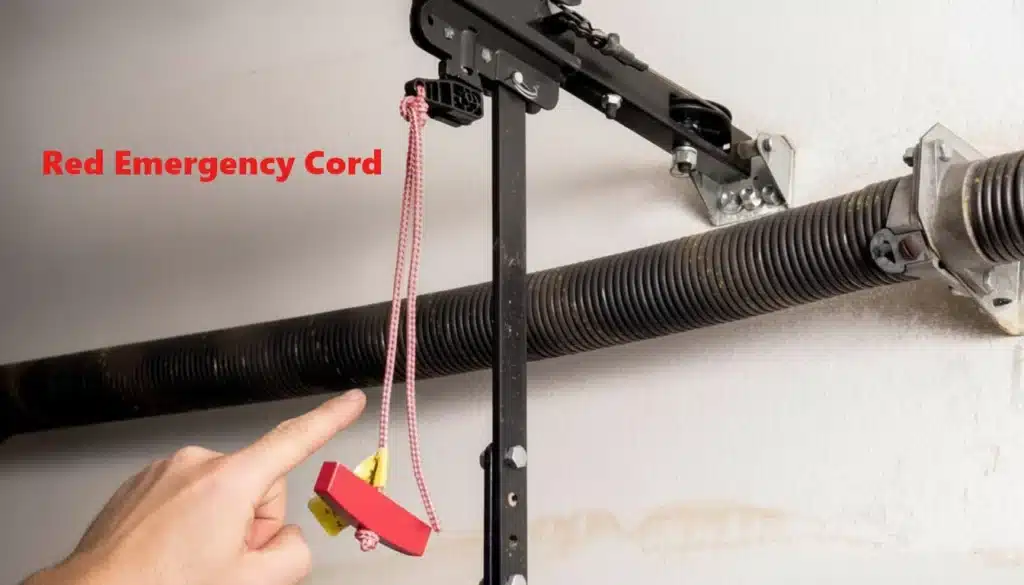
Unplug the opener and pull the red emergency release cord to disconnect the door from the motor. This prevents the opener from activating while you work.
Carefully raise the door to the height of the dislodged roller. Clamp locking pliers or C‑clamps on the tracks below the bottom rollers to hold the door in place. Never force a stuck door; pushing it can bend the rails.
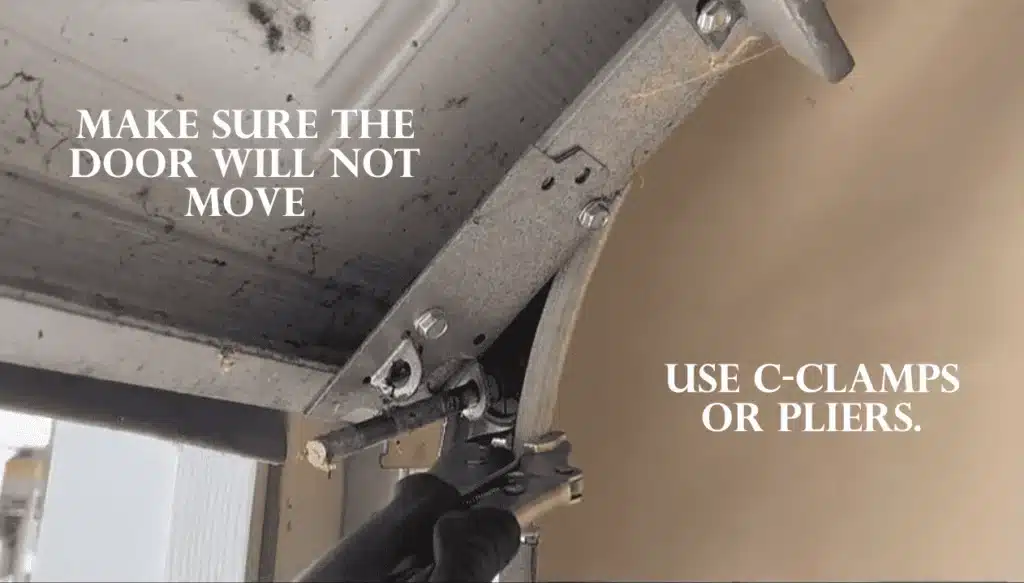
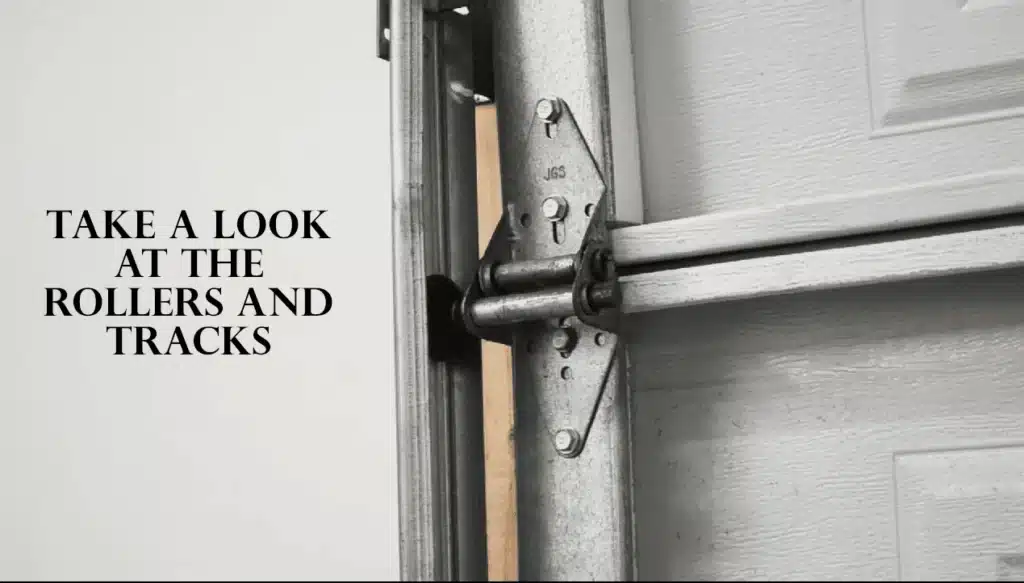
Use a flashlight to look for debris, dents or loose brackets along the rails. Clean out any dirt or obstructions. If you find a bend near the bottom, check out The 6-Inch Stall: Troubleshooting a Bent Garage Door Track.
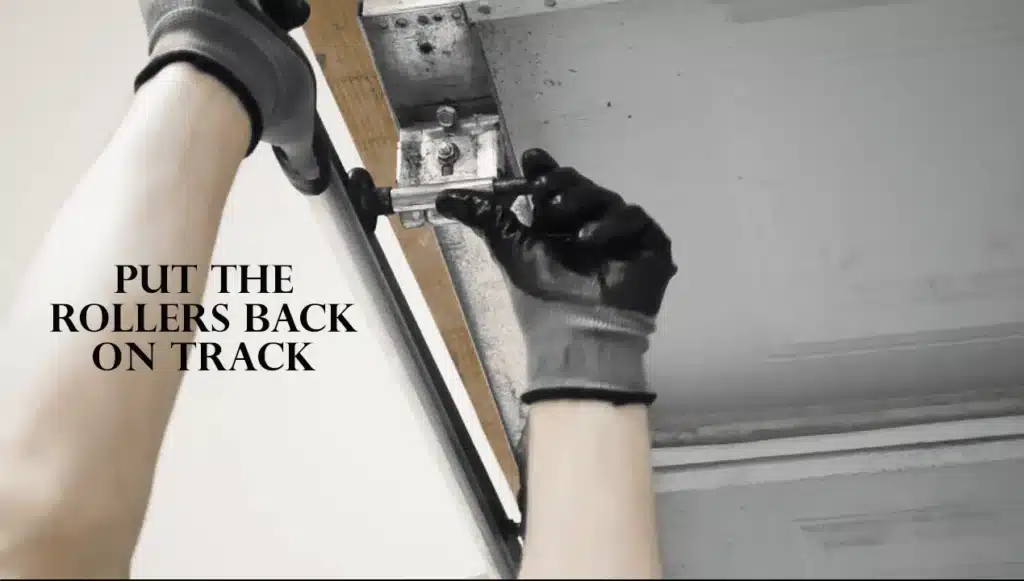
At the point where the roller jumped out, use pliers to carefully pry the outer edge of the track open. Guide the roller back into the channel and then tap the lip closed with a rubber mallet.
Loosen the track mounting brackets slightly, then use a level to ensure the track is straight vertically and horizontally. Gently tap the track into alignment with a rubber mallet and retighten the bolts. Repeat on the other side if necessary.
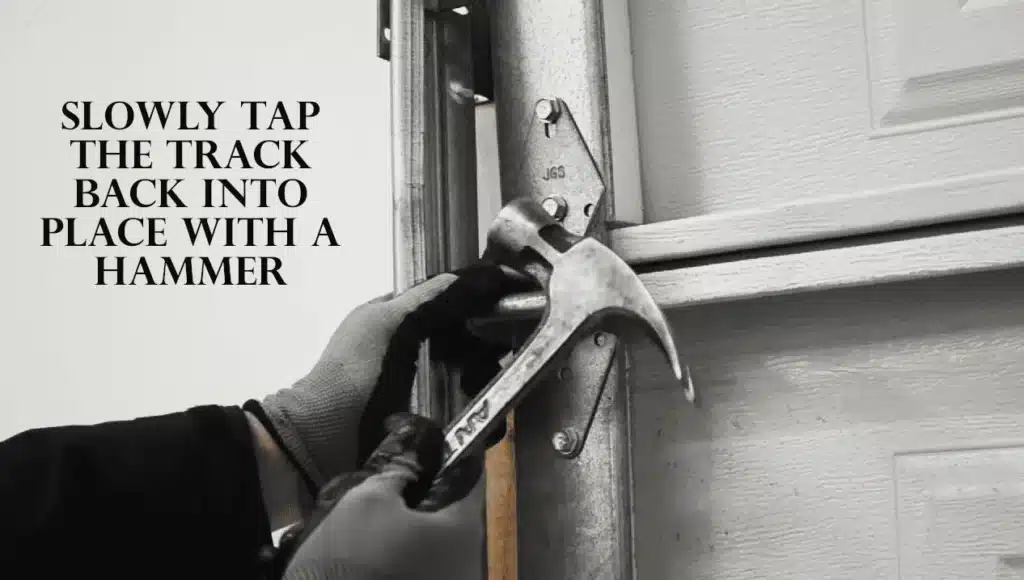

Inspect each roller; if you find cracks, rust or wobbling, remove the hinge or bracket, slide out the old roller and insert a new one.
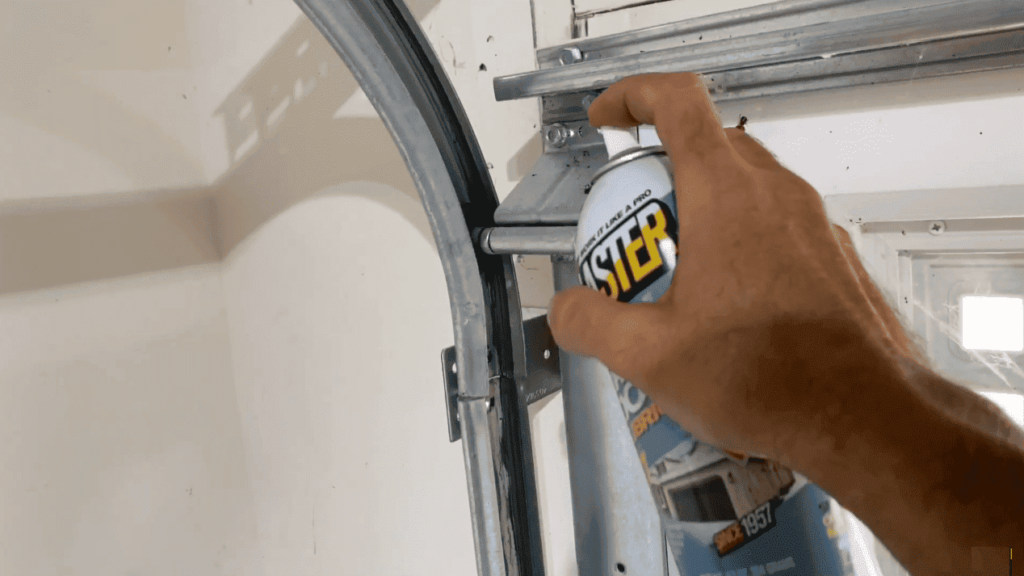
Apply a silicone‑based garage door lubricant to the tracks and rollers to reduce friction. Remove the clamps and manually raise and lower the door several times to ensure it moves smoothly. Reconnect the opener and test automatic operation, listening for unusual sounds.
When to Call a Professional
Even if you are comfortable with basic tools, there are situations where DIY repairs are risky:
- Broken springs or cables – replacing these high‑tension components without proper training is dangerous. Professionals have the tools to safely remove and install them.
- Severely bent tracks or multiple rollers off – large misalignments often require track replacement or specialized equipment.
- Door won’t budge manually – a stuck door may indicate hidden structural damage.
- You’re unsure of any step – if at any point you feel uncomfortable, stop and call a professional. Off‑track doors are unstable and can cause injuries.
🛠️ Safety First: If the repair looks too complex or dangerous, it is always better to contact a qualified Garage Door Technician Near You to handle the heavy lifting and ensure your door is balanced correctly.
Off‑Track Repair Costs and Emergency Service
Professional repair pricing varies based on damage severity and region. National data from 2025 shows:
- Basic off‑track repair: Aligning the track and re‑seating rollers typically costs $100–$300.
- Track realignment or replacement: A complete track realignment runs $200–$350, and replacing severely bent rails may cost more.
- Roller or cable replacement: Replacing worn rollers or cables averages $125–$300.
- Emergency service surcharge: After‑hours repairs can add $50–$150 or increase the total by about 25–40%.
These ranges are far less than the cost of a new door. Proactive maintenance—regular lubrication, track cleaning and annual tune‑ups—helps avoid emergency bills.
Prevention Tips – Keep Your Door on Track
Preventive care prolongs your garage door’s life and reduces the chance of off‑track incidents:
- Inspect monthly: Check for loose bolts, gaps between rollers and the track, or bent sections. Address minor issues early.
- Clean and lubricate: Wipe out debris and apply silicone lubricant to rollers, hinges and springs every six months. you can visit our guide for Best Lubricants for Garage Door Tracks and Rollers
- Check track alignment: Use a level to ensure tracks remain plumb and tighten mounting bolts if they shift.
- Mind your vehicle: Avoid bumping the garage door or storing heavy objects near the tracks to prevent impact damage.
- Schedule annual tune‑ups: A professional inspection catches worn springs, cables or rollers before they fail.
Conclusion
A garage door off its track is a dangerous situation that demands immediate attention. By understanding the causes—such as impact, loose hardware, broken cables or debris—and using the right tools and safety precautions, you can often reseat a single roller yourself. However, because garage doors are heavy and rely on high‑tension components, know your limits; any repair involving springs, cables or severe misalignment is best left to a qualified technician. With regular maintenance and prompt action when problems arise, you’ll keep your door running smoothly and avoid costly emergency repairs.