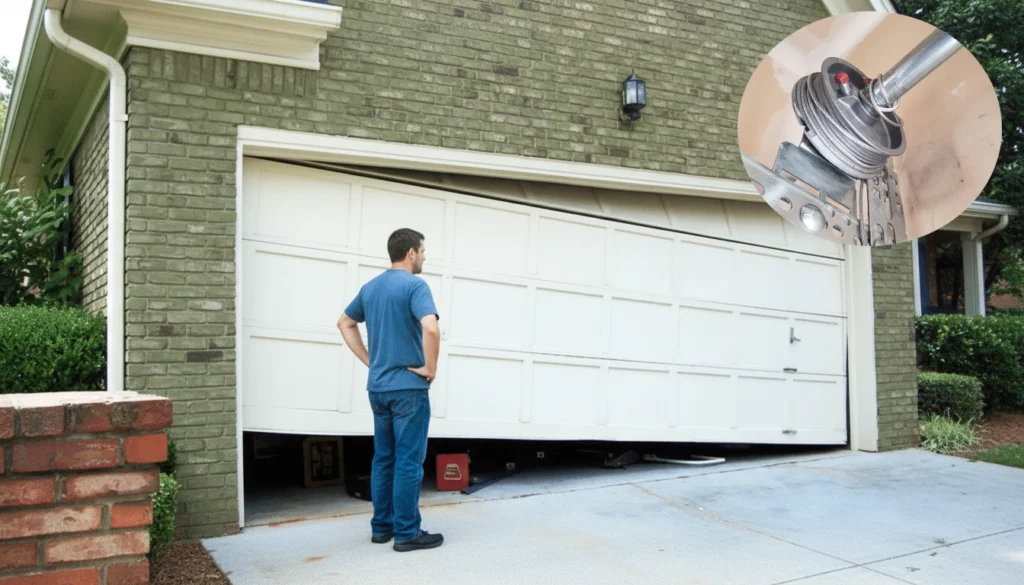
If you’ve ever opened your garage and found it hanging crooked, you’re not alone.
A garage door cable broke on one side is a common emergency because the door’s lifting system depends on two identical cables working in harmony.
When one cable fails, the balance is lost and the door can hang at an angle, jam in the tracks or slam shut unexpectedly. This article dives into why a garage door lift cable fails on one side, explains the domino effect of imbalance and shows you how to spot and prevent the problem.
Need emergency steps right now? If you just had a snap and need immediate safety steps, see our Emergency Broken Cable Guide .
The Physics of Imbalance – What Happens When One Cable Snaps
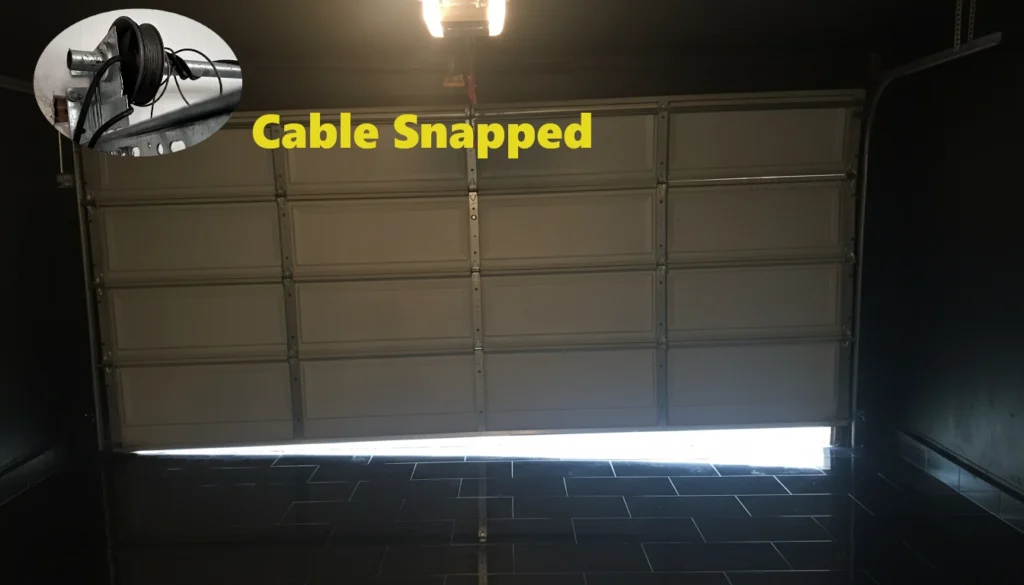
A garage door weighs 150–400 lbs and relies on two lift cables (one on each side) and springs to spread the load evenly. When one cable breaks, the entire weight shifts to the remaining cable and the spring on that side:
- Instant weight shift: A snapped cable removes its side of the support. The remaining cable immediately carries all of the door’s weight. California Garage Door Repair warns that the door loses balance and the remaining cable carries all the weight; trying to lift the door can twist the tracks, damage the springs or cause the door to slam shut.
- Crooked, jammed door: Because each cable lifts one side, a break leaves the entire load on the other, causing the door to hang unevenly and often get jammed in the tracks. Rollers may bind and panels twist, leading to bent tracks or an off‑track door.
- Tension surge – the domino effect: The remaining cable and spring now do the job of two. Hero Garage Door notes that this extra load stresses the other cable, torsion/extension springs and pulleys, and can quickly lead to another failure. The sudden tension release when a cable snaps can also cause the loose cable to whip around and injure someone.
In short, when one cable goes, the physics of imbalance creates a domino effect that threatens the door’s tracks, rollers, springs and opener. That’s why it’s crucial to stop using the door immediately and call a professional.
Hidden Reasons a Cable Fails on One Side
Why would a garage door wire off track or cable snap on just one side? The root cause is almost always hidden, and homeowners often overlook these three culprits:
1. Targeted corrosion from moisture
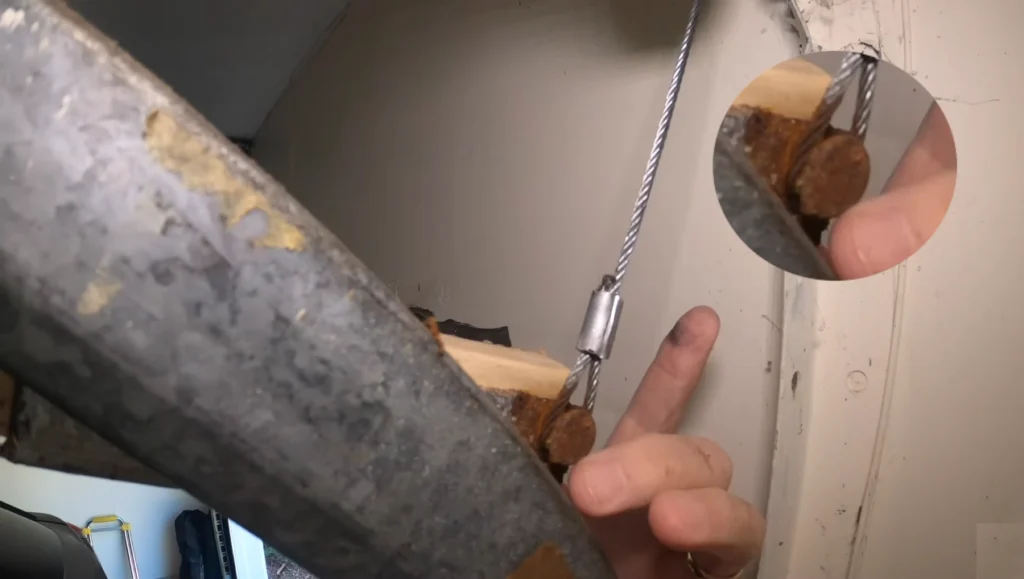
Garage door cables are made of braided steel wires. When moisture, salt or snow consistently hit one side of the garage (for example near a floor drain or where snow piles up), rust forms and weakens the cable. Balanced Garage Doors explains that moisture builds up can cause rust and corrosion, making steel cables brittle and prone to breakage. This localized corrosion means one cable wears faster than the other, so a failure appears random even though the root cause is environmental.
Prevent it: Keep the garage dry by fixing leaks and clearing snow and puddles away from the door. Lubricate the cables, rollers and pulleys regularly to prevent rust.
2. Invisible obstructions in the door’s path
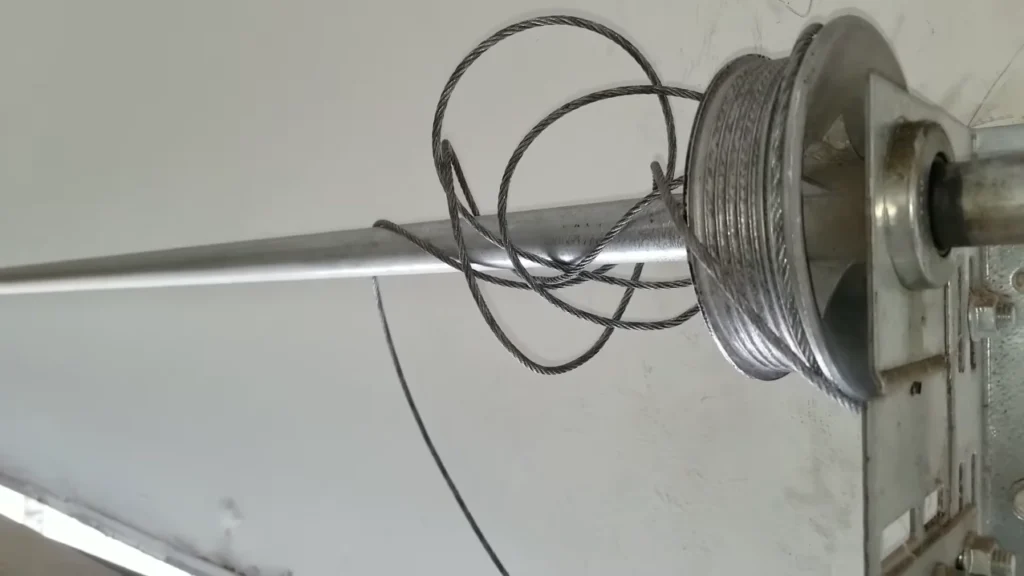
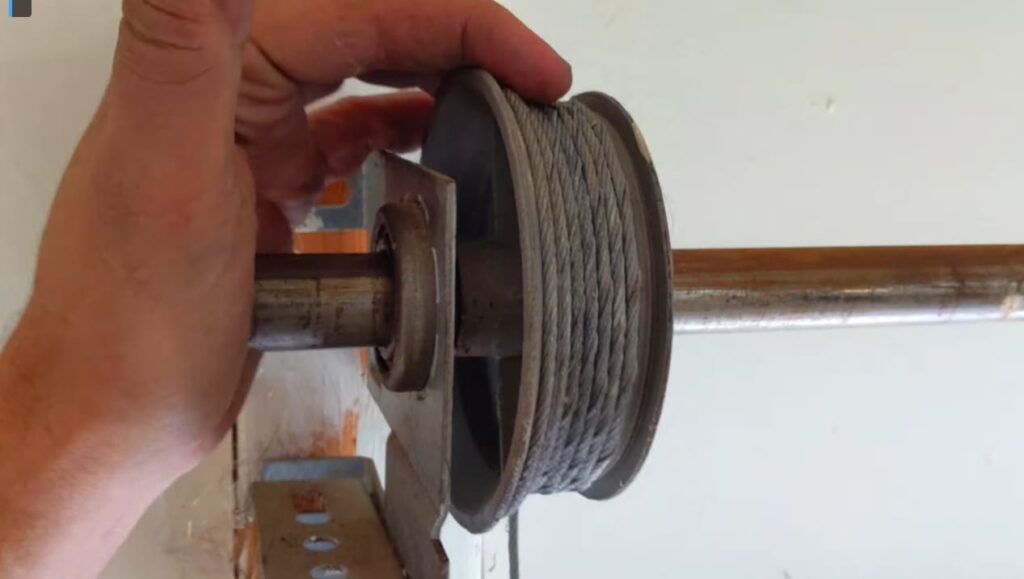
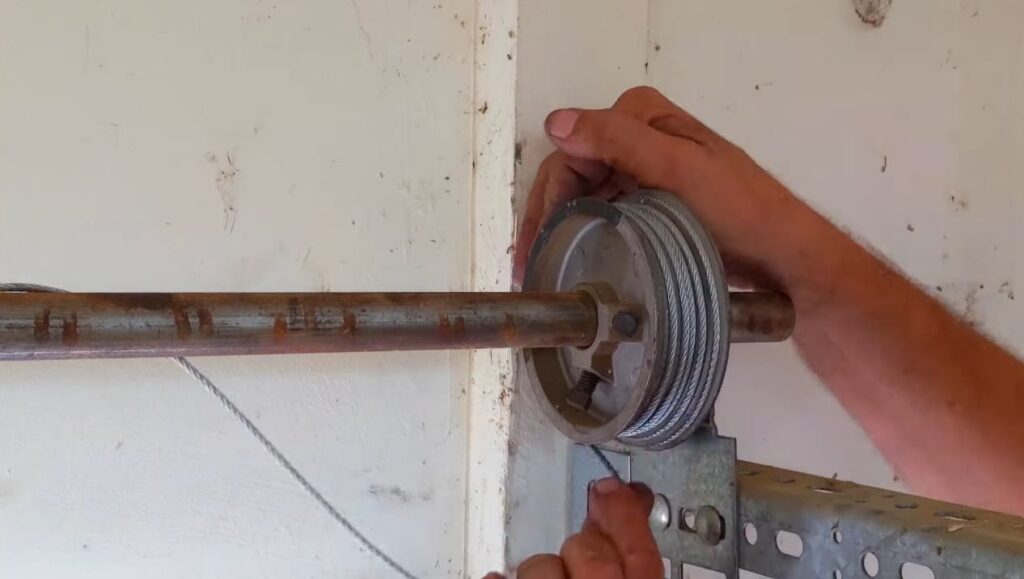
The number‑one reason cables come off the drums is closing the door on an object. Garage Door Guide lists setting the door down on an object (such as a broom handle, trash can or car bumper) as the top cause of thrown cables. When the door hits an obstruction on one side, that side’s cable goes slack. The slack allows the cable to jump out of the grooves on the drum and tangle. As the door continues to move, the tangled cable frays and snaps.
Prevent it: Always check that the opening is clear before closing the door. Pay particular attention to tall items that the safety sensors might not detect. If a cable has already jumped off, call a pro—running the opener can make the tangle worse.
3. Seized or damaged pulley
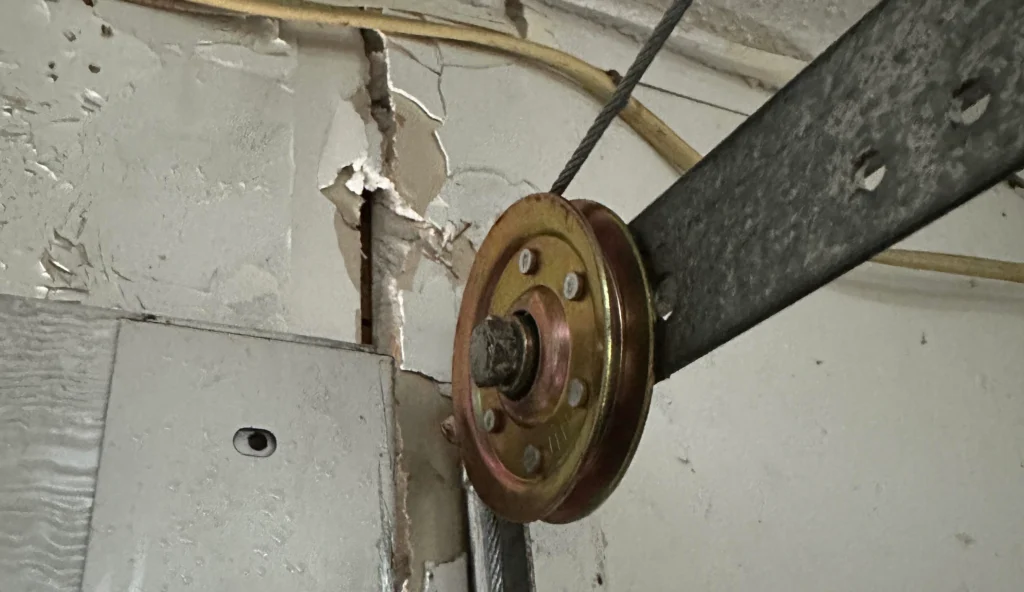
Garage doors with extension‑spring systems use pulleys on each side to transfer the spring’s force to the cables. If a pulley’s bearing seizes, the cable no longer rolls smoothly and instead rubs against a stationary metal edge. The A1 Door Company notes that damaged pulleys are one of the most common causes of snapped garage door cables; a damaged pulley causes the cable to weaken from constant friction and will eventually make the cable snap. Because pulleys are usually hidden behind the track, homeowners rarely notice the issue until the cable fails.
Prevent it: Listen for squeaking or grinding noises and inspect pulleys during annual maintenance. Replace worn pulleys and bearings before they seize.
Diagnosing the Crooked Door – Symptoms of a Cable Failure
When a garage door cable broke on one side, you’ll see and hear it. Recognizing the symptoms helps you stop using the door before more damage occurs:
- Floor gap on one side: If the door touches the floor on one side but has a gap on the other, the cable with the gap side is likely broken or stretched. This indicates the door is hanging unevenly and the remaining cable is under strain.
- Uneven movement and jerky operation: Off‑track or misaligned doors move unevenly. The Door & Fence Store explains that uneven movement, difficulty opening or closing, and a crooked appearance all point to misaligned tracks or tension issues. Grinding noises often mean friction, debris in the tracks or misaligned components.
- Rollers binding in the tracks: When the door hangs at an angle, the rollers press against one track while leaving the other side loose. Debris or dents in the track, misalignment, or worn rollers can force the rollers out of their path and potentially bend the track. Continuing to operate the door can cause further damage or cause the rollers to pop out entirely.
If you notice any of these signs, stop using the door and secure it in place. Attempting to force a door with a broken cable will only make the imbalance worse and could lead to a complete off‑track event.
The Pair Rule – Why Replacing Just One Cable Is a Mistake
It may be tempting to save money by replacing only the broken cable, but this quick fix backfires for several reasons:
- Symmetrical wear: Both cables lift the door together, so they experience the same number of cycles. California Garage Door Repair stresses that you should replace both cables because they wear evenly and share the door’s weight; replacing only one leaves the system unbalanced. PDQ Door’s replacement guide echoes this: garage doors operate best when components wear evenly, and if one cable breaks the other is usually close behind.
- New vs. old tension: A new cable has no stretch, while the old cable is elongated from years of use. Installing one new cable beside an old one makes adjusting cables on garage door systems almost impossible—you’ll fight constant misalignment and may still end up with a crooked door.
- Financial logic: The bulk of a cable repair bill is the service call. PDQ Door notes that the average professional replacement cost (2025 data) ranges from $150 to $350, which includes parts and labor for both cables. Most professionals replace both cables even if only one has snapped because it prevents another call‑out when the other fails. Replacing both cables takes only a few extra minutes and avoids paying a second diagnostic or emergency fee next month.
For a full teardown of how these systems work, check out our Master Garage Door Cable & Pulley Repair Guide .
Takeaway – Balance Is Everything
A garage door cable broke on one side because the system became unbalanced. Whether rust attacked one side, a broom handle threw the cable off its drum or a seized pulley sawed through the wire, the result is the same: all the weight transfers to the remaining cable, causing a dangerous domino effect. Recognizing the symptoms of a garage door wire off track, understanding the hidden causes and following the pair rule can save you from an emergency—and from buying an entire new door.
Keep your garage door balanced by performing regular maintenance, keeping tracks clear, lubricating moving parts and replacing cables in pairs. When in doubt, call a professional—fixing garage door wire issues yourself is risky due to the high tension in springs and cables. With proper care, your door will lift smoothly for years to come.