Your garage door’s lifting system is a finely balanced machine. When garage door lift cables slip out of place, the heavy door becomes unstable and dangerous. This guide explains how to tell if your garage door wire is off track, why it happens and why simply “popping” the cable back on isn’t a safe DIY job. You’ll learn to spot early warning signs, understand the causes and decide when to call a professional.
Looking for emergency safety steps? Before inspecting anything, lock the door in place so it can’t fall. Our Emergency Safety Guide shows you how to use C‑clamps (or locking pliers) to secure the door before any inspection or repair.
1. Off‑Track vs. Snapped – Two Different Failures
Homeowners often confuse a cable that has jumped off the drum with a snapped cable. The difference matters because an off‑track cable can sometimes be reset, while a snapped cable requires full replacement.
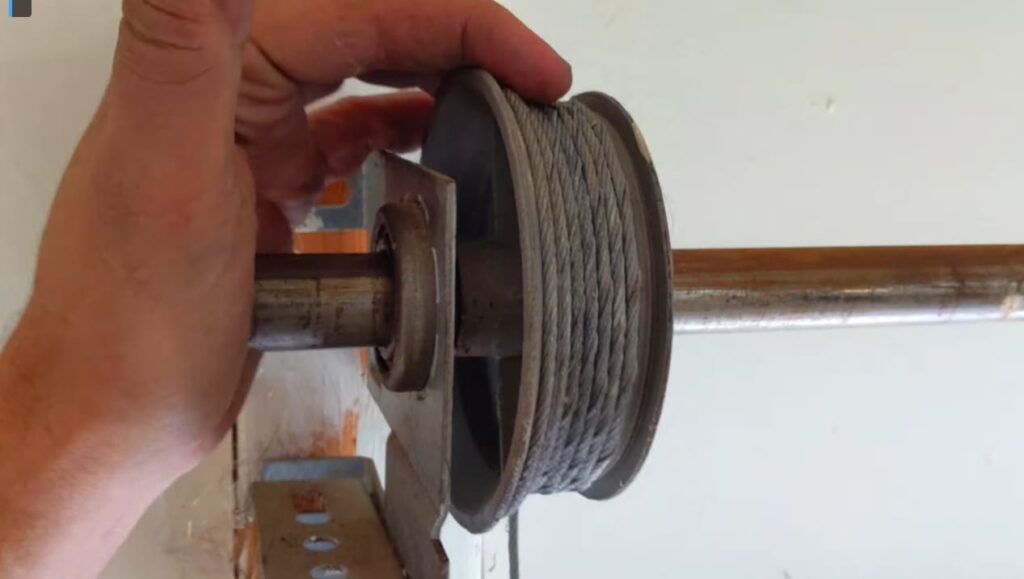
- Wire off track: The cable is still intact but has slipped out of the grooved drum and is no longer winding correctly. Balkan Door notes that tell‑tale signs include one side of the door hanging lower, the opener straining or stopping, and visible slack or bird’s‑nest loops of cable near the top corner. Because the steel isn’t broken, the door may still be supported on the opposite side—but it’s unbalanced and can bind in the tracks.
- Snapped cable: The braided steel has physically separated into two pieces. When a cable snaps, the entire weight shifts to the remaining cable and spring. Professional Garage Door Services explains that a crooked door, “loose or bird‑nested cable near the bottom bracket” and a gap under one side of the door are symptoms that require you to stop operating the opener immediately.
Why it matters: an off‑track cable might be reset if caught early, but running the opener will quickly shred the wire and turn a minor adjustment into a full replacement. A snapped cable, on the other hand, means all the tension is on the remaining side. For safety, both situations should be treated as a failure that requires professional attention.
2. Visual Warning Signs – How to Recognize an Off‑Track Cable
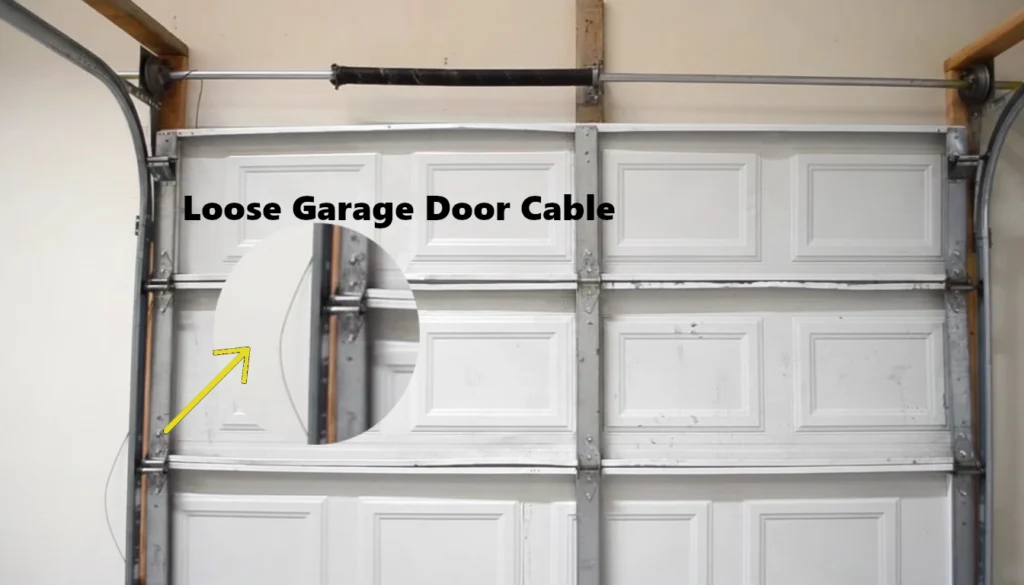
A garage door cable loose or dangling doesn’t always snap right away. When a cable jumps a groove, it goes slack while the other side stays taut. Recognizing these warning signs can save you from a more expensive repair:
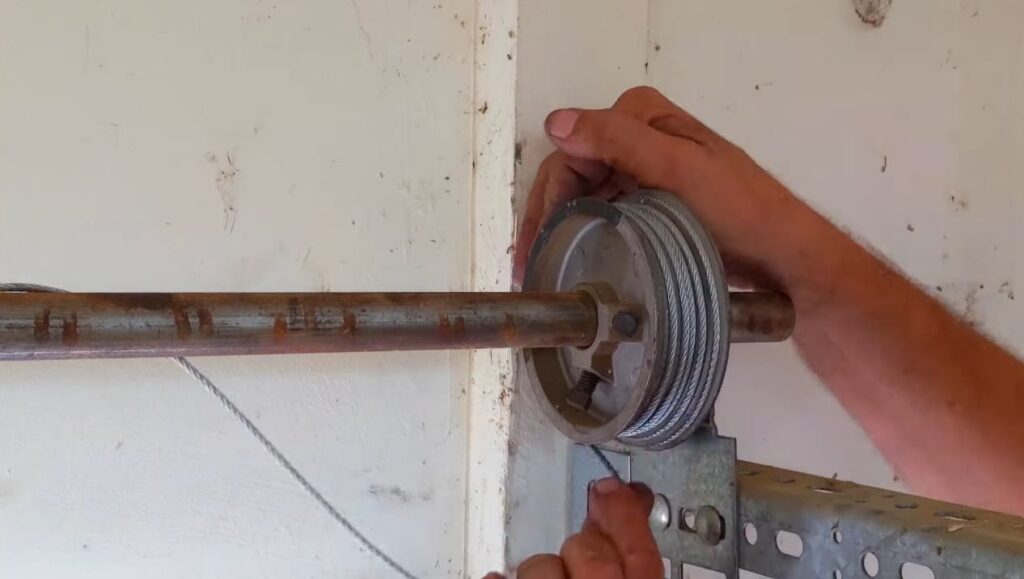
- Slack cable (“loose noodle”) on one side. If one cable hangs loosely while the other remains tight, the drum has likely lost its wrap. Overhead Door of South Bend notes that slack or dangling cables near the bottom bracket are a red flag and can throw the entire system off balance.
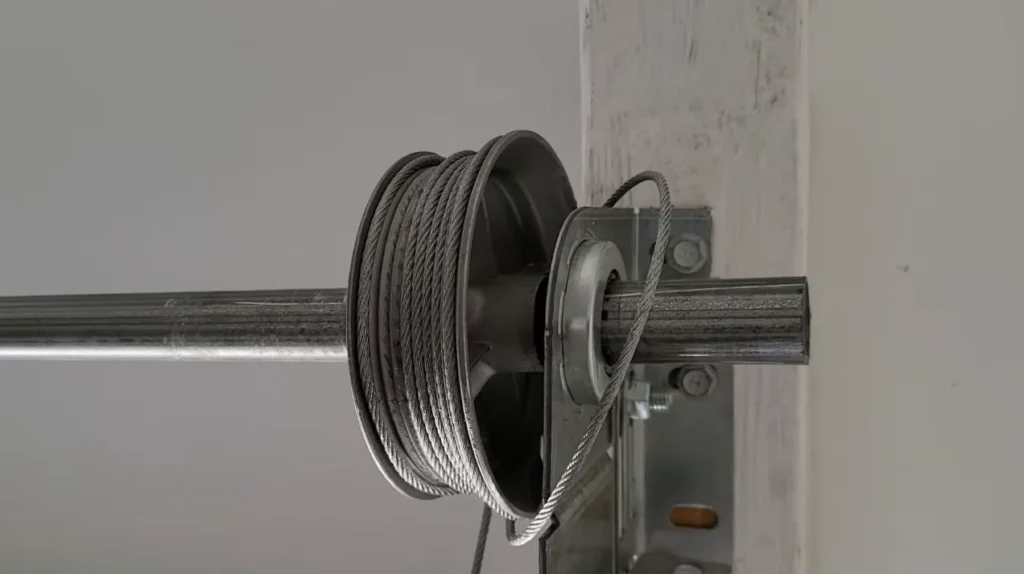
- Bird’s‑nest tangles near the drum. When a cable derails, it can wrap chaotically around the torsion tube. Doorvana explains that thrown cables often wrap around the torsion tube and create a “bird’s nest” of wire that prevents the door from moving. Balkan Door’s Milwaukee guide likewise warns of visible slack or bird’s‑nest loops near the top corner when a cable unwinds.
- Drum gap. Inspect the drum at the top of the crooked side. If the wire is sitting on the shaft instead of in the grooves, the cable has jumped ship. Professional Garage Door Services lists “loose or bird‑nested cable near the bottom bracket” and “grinding or popping sounds near the drums” as symptoms of a cable‑off‑drum problem.
- Uneven door travel and gapping. An off‑track cable causes the door to hang at an angle. You may see a gap under one side while the other side touches the floor; the opener may strain, chatter or reverse mid‑travel.
3. Why Cables Come Off the Drum – Root Causes
Several hidden issues can cause one cable to deroute from its drum. Understanding the root causes helps you prevent future failures:
- Obstruction or debris: Closing the door on a trash can, broom or vehicle bumper creates momentary slack on one side. Doorvana notes that hitting an object causes slack around the cable, allowing it to jump off the drum. Professional Garage Door Services confirms that obstructions or binding in the tracks are prime culprits for cables jumping grooves.
- Broken or fatigued torsion spring: When a torsion spring breaks, the counterbalance is lost and a cable immediately unloads and unwinds. Balkan Door lists broken torsion springs as a leading cause of cables coming off. Without spring torque, the door can free‑fall on that side.
- Poor door balance or misadjusted limits: An unbalanced door or opener set to open or close too far can slacken the cables at the top or bottom of travel. Balkan Door’s guide warns that improper balance or over‑travel allows cables to slacken and skip a groove.
- Rust and worn components: Moisture and road salt corrode drums and fray cables until they jump grooves. Worn bearings, misaligned tracks or wrong‑size drums can also invite derailments.
- DIY tension mistakes: Loosening set screws or over‑winding springs without proper tools can cause instant unwinding and injury. Professional Garage Door Services adds that loosening set screws on a drum or touching bottom brackets without unloading the springs is dangerous.
A cable jumping its track is often a symptom of larger pulley or spring issues. Consult our Master Garage Door Cable & Pulley Repair Guide for a full system checkup.
4. Safety First – Why You Shouldn’t Touch a Slack Cable
An off‑track cable still has hundreds of pounds of spring tension behind it. Pulling, unwrapping or re‑winding the wire without the right tools can cause a violent snap or the door to free‑fall. Consider these safety warnings:
- Stop using the opener. Professional Garage Door Services emphasises that if you notice a crooked door, an opener that strains or stops, or a bird’s‑nested cable, you should unplug the opener and stop operating the door immediately. Continuing to run the opener can shred the cable and damage the gear assembly.
- Don’t pull the red emergency release if the door is crooked. On a door mid‑travel or crooked, pulling the release may let the door drop violently. The same source warns to avoid pulling the emergency cord unless the door is securely down.
- Keep hands away from cables and drums. Slack loops and frayed strands can whip or cut if tension re‑engages. Balkan Door notes that finger and hand injuries are common when cables snap back. Professional services caution homeowners to avoid touching bottom brackets, cable drums or set screws because these parts are under spring tension.
- Secure the door before inspecting. If the door is open, clamp the tracks just below the bottom rollers on both sides to prevent movement. If the door is closed, leave it closed and call a professional.
5. Reset vs. Replace – Can You Fix It Yourself?
There are two main approaches to a cable‑off‑drum situation: a simple reset (if the cable hasn’t frayed) or a full repair and tension adjustment. Here’s what professionals do and why DIY attempts often go wrong:
What a Professional Does
A trained technician will disconnect power, secure the door and relieve spring tension using winding bars. They then re‑thread the cable through the bottom bracket and onto the drum grooves, torque the set screws to specification and ensure equal tension on both sides. Professional Garage Door Services describes this process: securing the door, relieving spring tension, re‑threading the lift cables correctly and balancing the door before calibrating opener limits.
After resetting the cables, the technician will diagnose the root cause—checking for broken springs, misaligned tracks, seized bearings or incorrect cable length—and replace damaged components. They then test door balance and safety features to ensure the problem doesn’t recur.
Why DIY Is Risky
On the surface, popping a cable back onto the drum seems simple. However, Garage Door Services warns that without addressing the underlying problem (track alignment, spring balance or worn hardware), the cable will jump again. Adjusting spring tension or loosening set screws without winding bars can cause severe injury. Overhead Door’s warning signs article notes that garage door cables are under extreme tension; one wrong move can cause them to snap back with force. In other words, a DIY reset may temporarily re‑seat the cable but can lead to a repeat failure or serious injury.
When a Reset Might Be Possible
In rare cases, if the door is fully closed and the cable slipped due to a small obstruction, a trained homeowner might be able to reset the cable without unloading the springs. Even then, you must identify and remove the obstruction, ensure the cable isn’t frayed and avoid touching any tensioned hardware. If you’re unsure, call a professional.
Takeaway
A garage door cable loose or off track is the last warning before a major failure. By learning the difference between a wire that has simply derailed and one that has snapped, you can act quickly and avoid catastrophic damage. Watch for slack cables and bird’s‑nest tangles at the drum, understand common causes like obstructions, broken springs and misadjusted limits, and never operate or tug on a slack cable. Professional technicians have the tools to reset and balance the system safely. When in doubt, prioritise safety, secure the door and call for help.