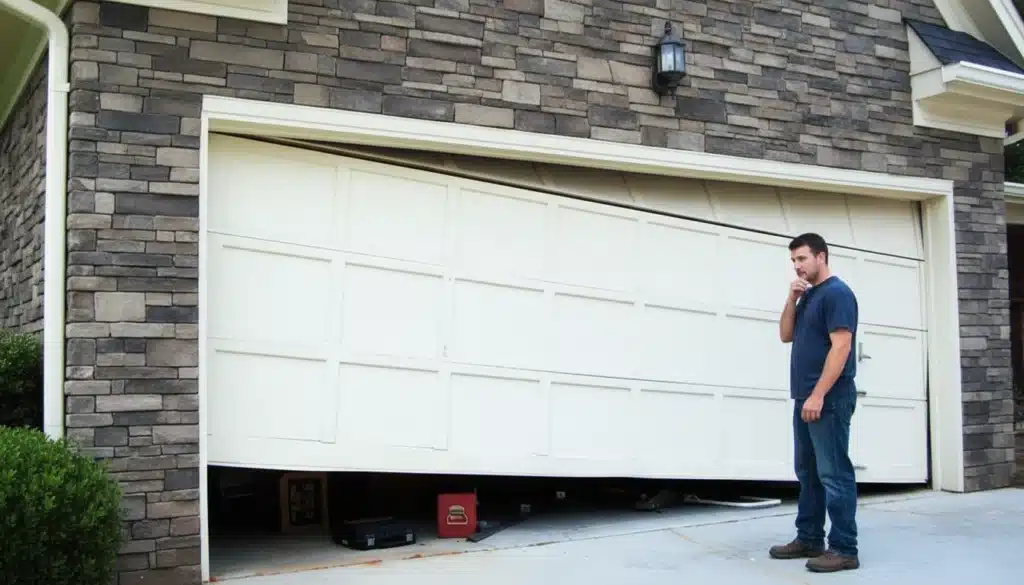
A garage door that stops or reverses after rising only a few inches often triggers anxiety. Modern garage door openers include multiple safety systems designed to prevent injury and protect the opener. When something introduces extra resistance—such as a bent horizontal or vertical track, debris in the rails, misaligned sensors, or a broken spring—the opener interprets the extra force as a potential hazard and stops or reverses the door. Understanding these safety features and how common problems trigger them can help you diagnose issues and determine when to call a professional.
⚡ QUICK SUMMARY: Why Your Garage Door Stops After 6 Inches
If your door stops or reverses almost immediately, a safety feature has been triggered. Here are the top 3 causes:
- Safety Sensors (Photo-Eyes): The infrared sensors at the bottom of the tracks are likely misaligned, dirty, or blocked by a small object (like a leaf or cobweb).
- Track Obstructions or Damage: A bent track or debris (pebbles, dried grease) is creating friction. The motor senses this resistance and stops to prevent damage.
- Broken or Weak Springs: The springs do the heavy lifting The springs do the heavy lifting. Learn how to identify a broken garage door spring here. If they are broken, the door becomes too heavy for the motor to move safely. Caution: Broken springs are dangerous; do not attempt to fix them yourself.
The 10-Second Test: Pull the red emergency release cord and try to lift the door manually. If the door feels extremely heavy or won’t stay open, you have a mechanical issue (likely springs or tracks) and should call a professional.
1. Safety reversal and force‑sensing systems
- Primary entrapment protection (force‑sensing). The U.S. Consumer Product Safety Commission and Underwriters Laboratories require automatic garage door openers to have an inherent entrapment‑protection system. The system uses force‑sensing or current‑sensing technology to monitor resistance while the door moves. When the opener detects excessive force, it stops or reverses to prevent entrapment. Modern openers also have auto‑reverse functions to prevent injury.
- Secondary entrapment protection (photo‑electric eyes). Since 1993, U.S. openers must include photo‑electric eyes (often called “safety sensors”) positioned a few inches above the floor. These sensors send an infrared beam across the door opening; if the beam is interrupted while the door is moving, the opener stops and reverses. Dirty or misaligned sensors can therefore cause the door to stop almost immediately.
- Travel speed and stopping distance. UL 325 limits the travel speed of residential garage doors to about 6 inches per second. When the opener detects a problem, it may halt the door within a few inches (often around the 6‑inch mark) to minimize risk.
Why it stops after ~6 inches
During opening or closing, the opener’s motor expects a consistent amount of resistance. If the rollers encounter an obstruction or the door becomes too heavy (e.g., because of a broken spring), the force‑sensing system registers the extra load and triggers the safety reversal. Because the safety eyes are positioned roughly 4–6 inches off the floor, a door that travels only this distance and then stops is often a sign that the sensors detect something wrong or the motor senses excessive force.
2. Physical obstructions and rail damage
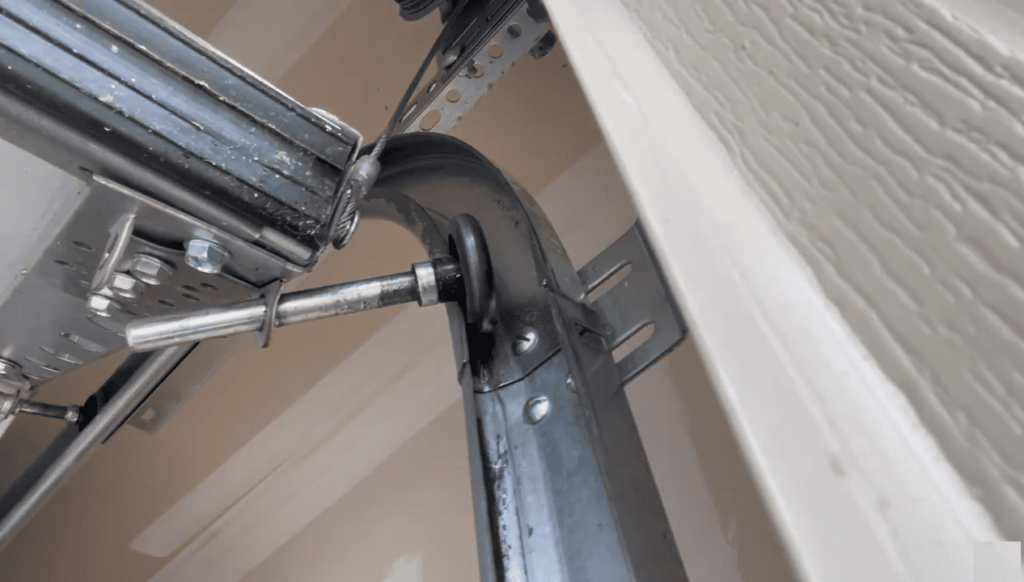
Bent tracks
Bent or misaligned horizontal or vertical tracks can bind the rollers and create resistance. Service companies note that visible bends or gaps between the track and rollers, jerky movement or a door that stops or hesitates mid‑travel are tell‑tale signs of a bent track. Misalignment increases friction, overworks the opener and torsion springs, and can cause a cascade of problems such as broken springs or popped rollers. The Palmer Garage Doors guide explains that when tracks are too damaged or mispositioned for smooth travel, the safety sensors detect the increased resistance and repeatedly reverse the door. A professional should repair or replace bent sections; hammering a kinked track can worsen the damage.
Related guide: If your tracks are severely damaged, you might also face rollers jumping out of the rails. Learn more about Identifying a Garage Door Roller or Wheel Off Track.
Debris in the tracks
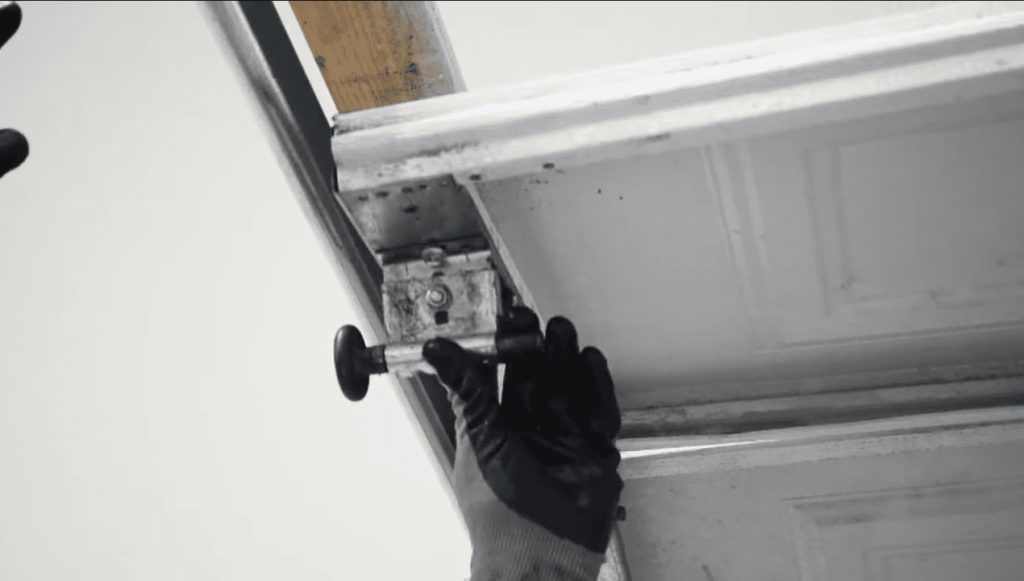
Even small amounts of debris act like speed bumps. A Houston garage‑door company notes that accumulated dirt, pebbles or dried grease in the tracks can make rollers drag, groan or stop completely. Debris can also cause popping noises, jam rollers or lead to rollers jumping out of the track. Regularly sweeping and wiping the tracks prevents these problems.
Loose or damaged hardware
Loose bolts, screws and brackets shift the tracks and create misalignment. The Jaydor Company warns that worn or broken hardware allows the tracks to move out of position; tightening loose components can resolve minor issues, but damaged parts require professional replacement. If brackets are bent or fasteners are missing, the track may pull away from the wall and force the rollers to bind.
3. Photo‑eye sensor problems
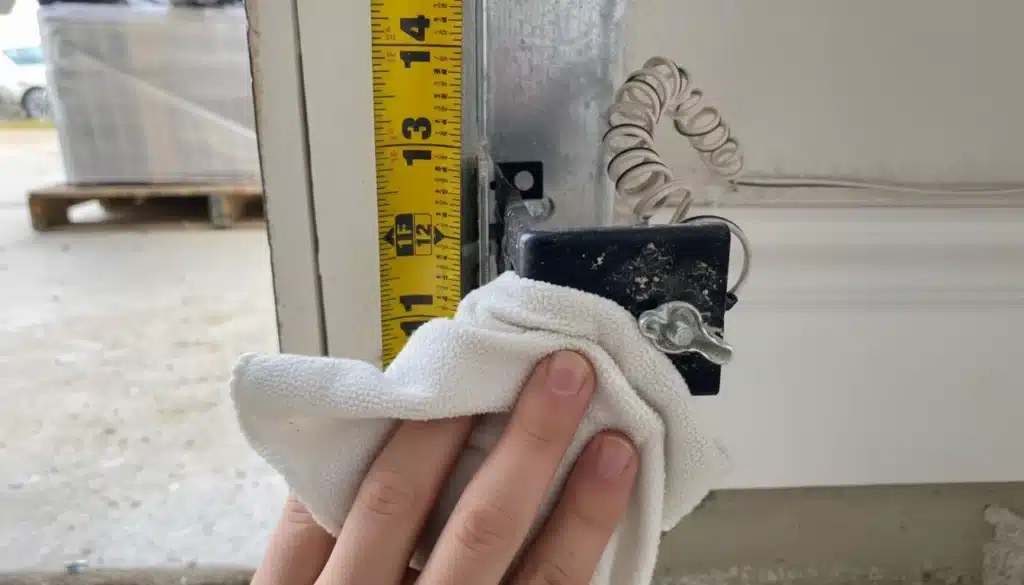
- Misalignment or obstruction. The safety sensors must face each other directly. Raynor notes that dirty, blocked or misaligned sensors emit false signals and cause the door to stop or reverse. A blinking or unlit sensor indicator light usually means misalignment. Cleaning the lenses with a soft cloth and adjusting the brackets until both lights are steady often restores proper function.
- Dirty lenses or debris. Dust, spiderwebs and dried grease on the sensor lenses can block the infrared beam. Hero Garage Door’s troubleshooting guide highlights that something as simple as a stray leaf or cobweb can cause sensors to halt the door. Cleaning lenses regularly prevents false stops.
- Sunlight interference. On bright days, direct sunlight can overwhelm the sensors. Heritage Garage Door explains that sunlight hitting the sensors can blind the infrared beam; shielding the sensors with a small shade or repositioning them can eliminate the issue.
4. Door balance and spring issues
Why spring tension matters
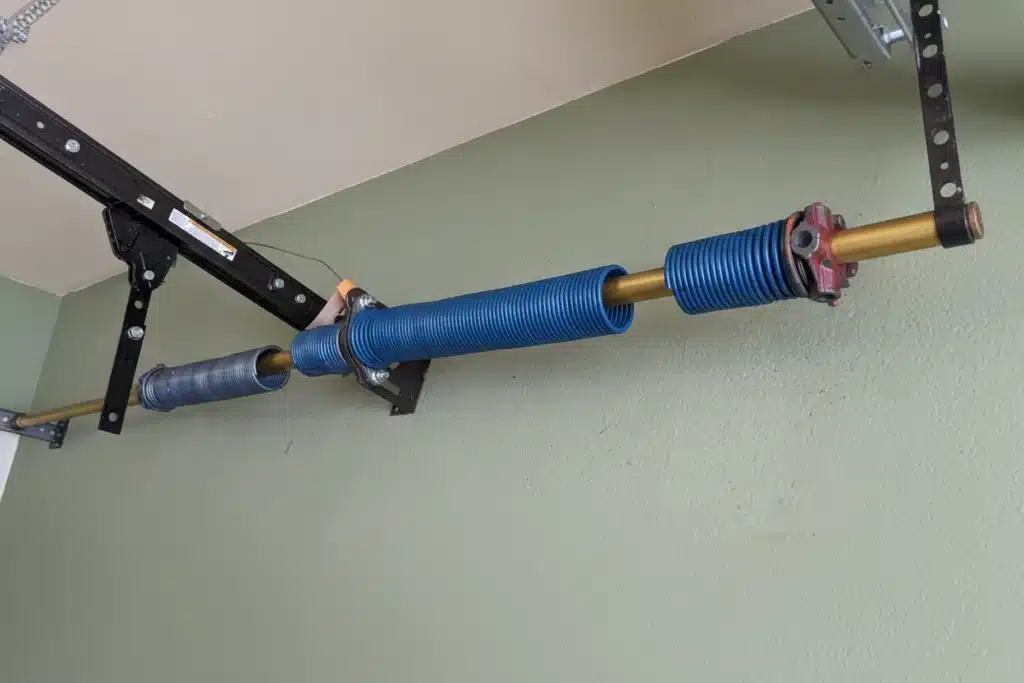
The torsion or extension springs, not the opener, lift the door’s weight. When springs break or lose tension, the door becomes too heavy and the opener stops to prevent damage. Raynor’s guide notes that worn or broken springs cause the door to become unbalanced and stop unexpectedly; the site urges homeowners not to attempt spring repairs because springs are under high tension and can cause serious injury. Hero Garage Door echoes this warning, noting that springs are dangerous to adjust and that visible breaks or a heavy door are clear signs to call a professional.
Manual balance test
BCS Overhead Door recommends a simple balance test. Disconnect the opener using the emergency release cord and lift the door manually to waist height (about halfway). A properly balanced door should stay in place or drift slightly; if it slams shut, the springs have lost tension. If it flies open, the springs are over‑tensioned and also need adjustment. A door that feels extremely heavy or fails this test indicates broken springs and requires immediate professional service.
5. Motor settings – travel limits and force
Garage door openers have adjustable travel limits (how far the door travels) and force settings (how much resistance is acceptable). Misadjusted settings can mimic a mechanical problem:
- Travel limits. If travel limits are set incorrectly, the opener may think the door has fully opened or closed and stop prematurely. Hero Garage Door explains that when travel limit settings are thrown off, the opener might think it has reached the top and stop. Raynor notes that limit settings control where the door stops and, if set too low, can cause the door to stop halfway. Titan Garage Doors adds that setting limits too high may cause the door to hit the ceiling, while too low can prevent full closure.
- Force settings. The opener’s force control determines how much resistance it will tolerate. If the up‑force is set too low, the opener may interpret normal resistance as an obstruction and stop. Conversely, setting force too high can mask serious mechanical problems; homeowners should adjust in small increments and consult the manual or a professional.
These settings can drift over time due to temperature changes or wear. Adjustment instructions vary by opener model; always refer to the manufacturer’s manual and test the auto‑reverse function after making changes. If you’re uncomfortable adjusting these settings, hire a professional.
6. Maintenance and professional safety
Regular lubrication
Dry rollers and hinges create friction that strains the opener and can cause premature stops. Titan Garage Doors recommends applying a small amount of silicone or lithium‑based lubricant to hinges, rollers, springs and tracks to reduce friction and noise. Avoid grease or cooking oil, as they attract dirt; apply lubricant twice a year or more often for heavily used doors. Lubrication not only quiets operation but also prolongs the life of moving parts.
Keep tracks clean
Sweeping and wiping the tracks monthly removes dirt and debris that can jam rollers and trip the safety system. A damp cloth can lift sticky residue. Vacuuming stubborn debris and trimming plants near the door also help.
When to call a professional
Certain tasks are not safe for DIY. Call a qualified garage door technician Near You if:
- The door is extremely heavy to lift manually or slams shut during the balance test.
- You see a visible gap in the torsion spring, hear a loud bang, or notice frayed cables.
- The tracks are severely bent or the door is off its tracks.
- Adjusting sensors and clearing debris do not resolve the issue, or the opener continues to stop or reverse.
- You are uncertain about adjusting force or travel limit settings. Professional servicing includes testing sensors, auto‑reverse mechanisms and force settings to ensure they protect people and property.
Caution: If you notice snapped or fraying wires, check our guide on Broken Garage Door Cables to understand the risks before attempting any movement.
Summary
A garage door that travels only a few inches and then stalls is usually reacting to a safety‑system trigger. Built‑in force‑sensing circuits and photo‑eye sensors protect you by stopping or reversing when resistance or obstruction is detected. Common causes include bent or misaligned tracks that bind the rollers, debris or loose hardware in the rails, dirty or misaligned sensors, broken springs that make the door too heavy, and misadjusted travel or force settings. Regular cleaning, lubrication and inspection can prevent many issues, but any problems involving springs, cables, severely bent tracks, or opener calibration should be handled by a professional to ensure safety.