Your garage door is likely the largest moving object in your home. To keep it operating safely and extend its lifespan, a 15-minute monthly inspection is essential. By catching minor wear on springs and cables early, you prevent sudden breakdowns and expensive emergency repairs.
1. Visual Inspection: The First Line of Defense
Before touching anything, perform a thorough visual walkthrough with the door closed.
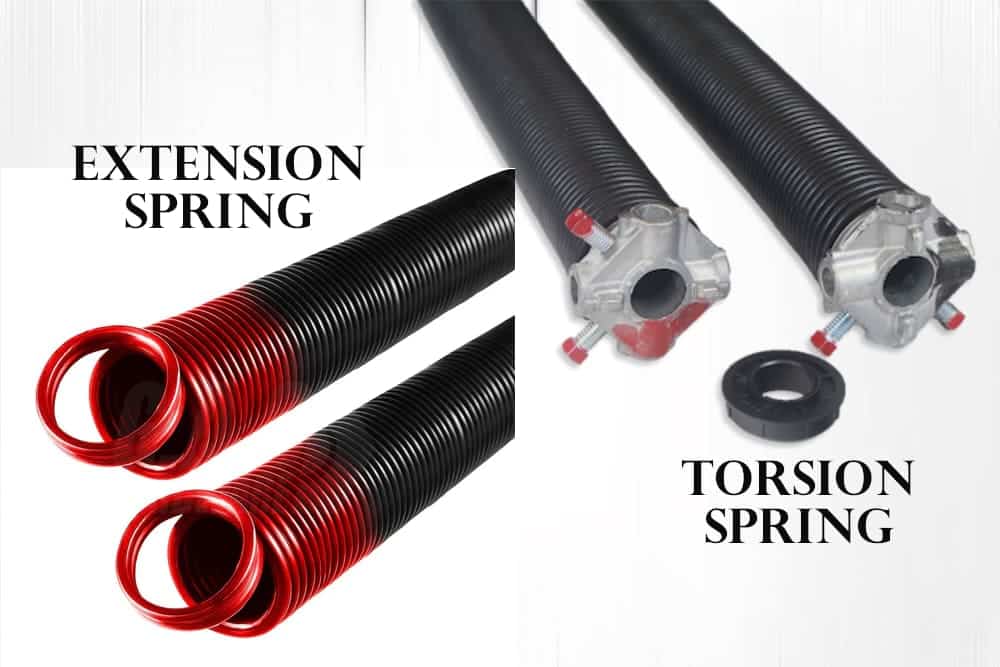
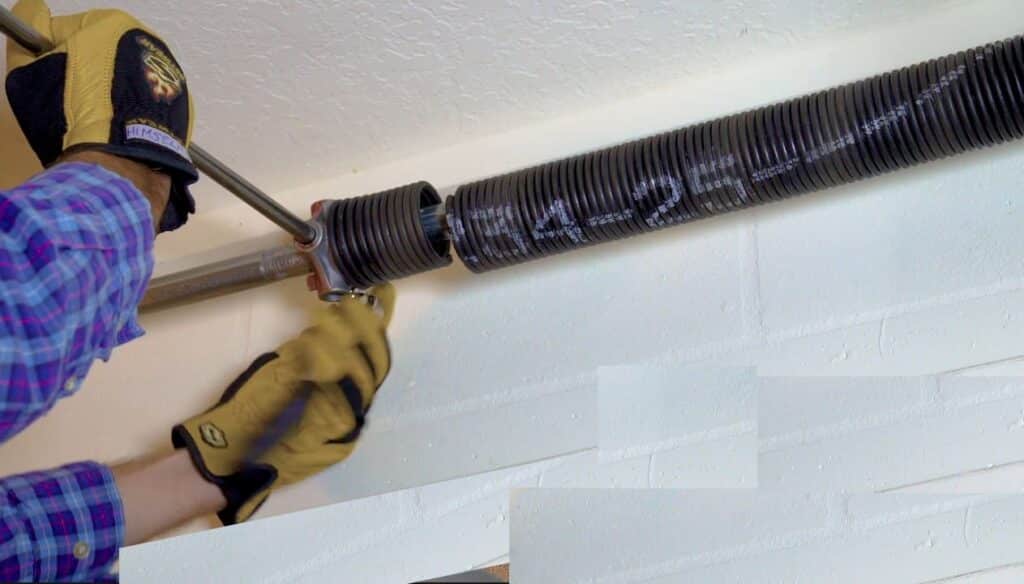
- The Springs: Look for gaps in the coils (a sign of a break), excessive rust, or sagging. If you have a torsion system, check if the winding stripe is still straight or if it looks distorted.
- The Cables: Inspect the high-tension cables attached to the bottom brackets. Look for fraying (tiny wires sticking out), corrosion, or kinks.
⚠️ Safety Warning: If a cable looks like it’s peeling or “shredding,” do not operate the door. A snapping cable can be just as dangerous as a breaking spring.
2. The “Balance Test” (Crucial Step)
A balanced door is a healthy door. This test ensures your springs are doing the heavy lifting, not your opener motor.
- Disconnect the Opener: Pull the red emergency release cord.
- Lift Manually: Raise the door halfway (about waist height).
- The Result: * Balanced: The door stays in place or moves very little.
- Unbalanced: If the door slams shut or flies open, your springs need professional adjustment.
3. Checking Cable Tension & Alignment
Cables should always be under tension and properly seated in the drums.
- Check the Drums: Ensure the cables are wound neatly in the grooves of the drums at the top corners.
- Look for Slack: If you see “loose” cables when the door is closed, your springs may have lost tension or the drums might be slipping.
4. Listen for “Spring Chatter”
Operate the door (either manually or with the opener) and listen closely.
- Squeaking/Grinding: Usually means the coils are rubbing together without lubrication.
- Bang or Popping: This could indicate a spring binding or a cable catching on a bolt.
- The Solution: Most noise can be fixed with proper lubrication. Check our guide on the 10 best garage door lubricants to keep things quiet.
5. Clean and Lubricate
Maintenance isn’t complete without a quick clean-up.
- Wipe the Tracks: Use a damp cloth to remove dust and debris (never grease the tracks).
- Lubricate the Springs: Spray a light coat of silicone or lithium-based lubricant on the torsion springs to prevent friction and rust.
- Oil the Rollers & Hinges: A small drop of oil on the roller bearings keeps the movement fluid.
When to Call a Professional?
While you can perform this inspection yourself, never attempt to tighten or remove the bolts on the bottom brackets or the winding cones. If you notice any of the following, search for garage door repair near you immediately:
- Frayed or broken cable strands.
- A gap in your torsion spring.
- A door that feels extremely heavy to lift manually.